Sand Bag Strategies to Stabilize Temporary Signage & Barriers
Why Stability Matters in Traffic Control
Traffic Control depends on stability. Signs must stay in place. Barriers must not move. Cones must stay upright. If any of these shift or fall, safety is at risk.
Temporary setups are more vulnerable. Wind, rain, and passing vehicles can move equipment. Even small movement can confuse drivers. This can lead to accidents.
Sand Bags are a simple and effective solution. They add weight and keep everything secure. They are a key part of safe and reliable Traffic Control.
What Are Sand Bags Used For?
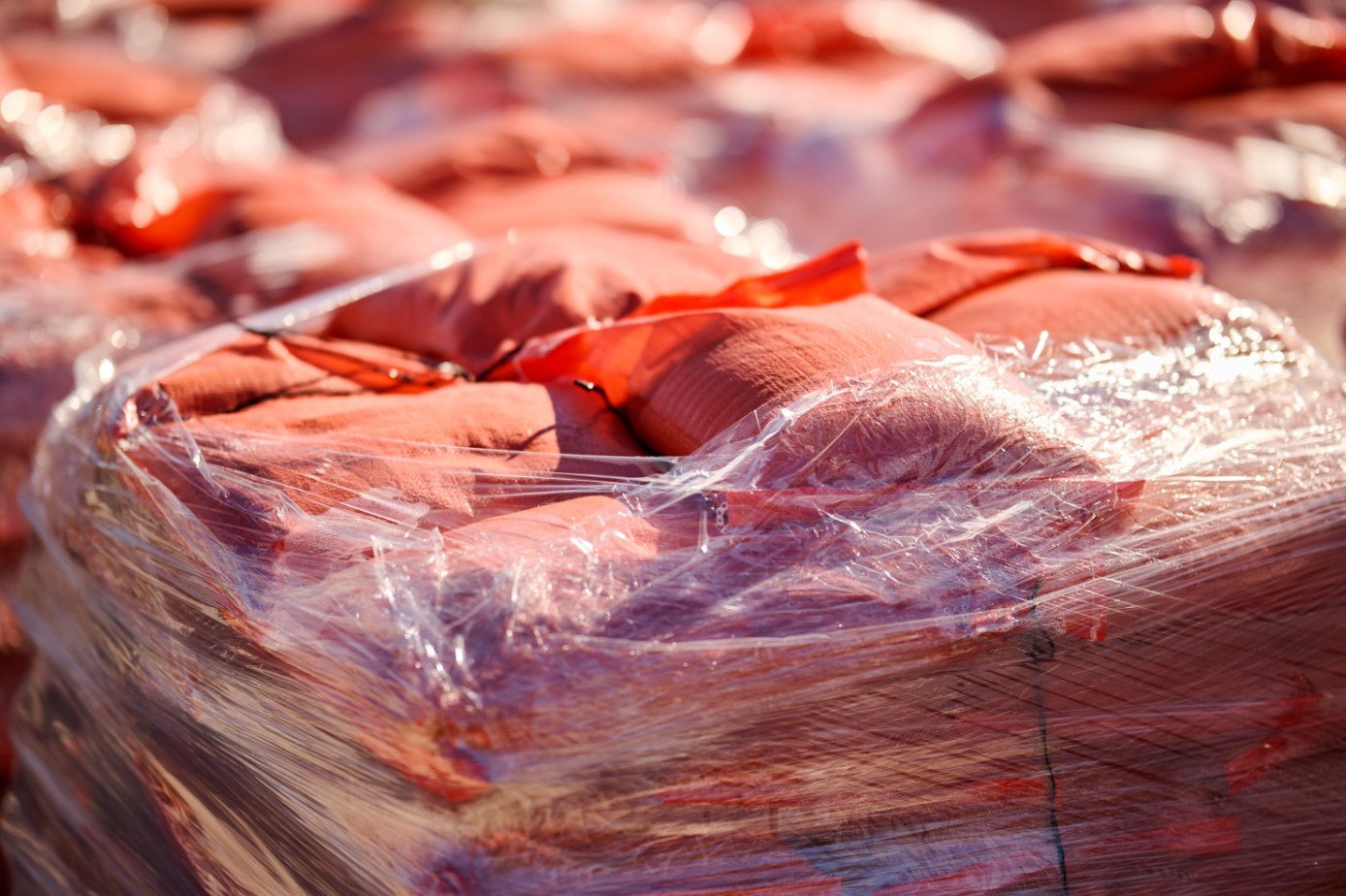
Sand Bags are used to hold down traffic devices. They are placed on sign stands, barricades, and base plates. They prevent tipping and sliding.
In Traffic Control, many devices are lightweight. This makes them easy to move and install. But it also makes them easy to knock over. Sand Bags solve this problem.
They are flexible and easy to use. They can be added or removed quickly. This makes them ideal for temporary setups.
How Sand Bags Improve Safety
Safety is the main goal of Traffic Control. Sand Bags help by keeping signs and barriers stable. When equipment stays in place, drivers get clear and consistent information.
A fallen sign can create confusion. A shifted barrier can change a lane path. These issues can lead to sudden stops or wrong turns.
By using Sand Bags, teams reduce these risks. They ensure that all devices stay where they should be. This keeps both drivers and workers safe.
Using Sand Bags for Traffic Signage
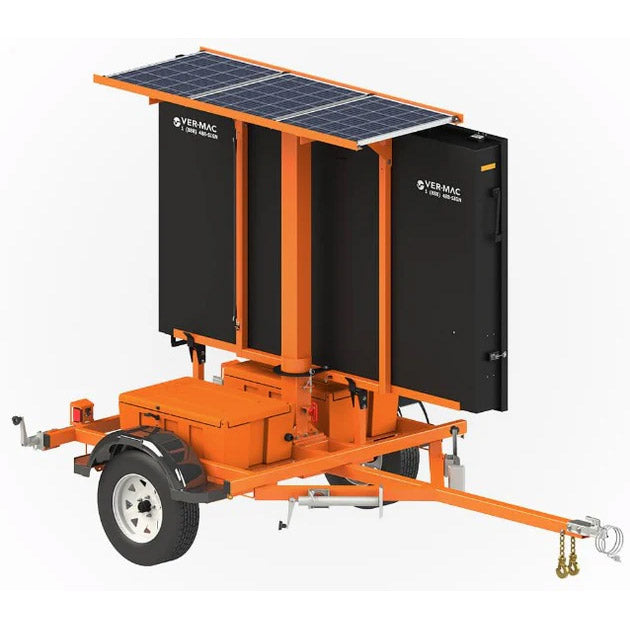
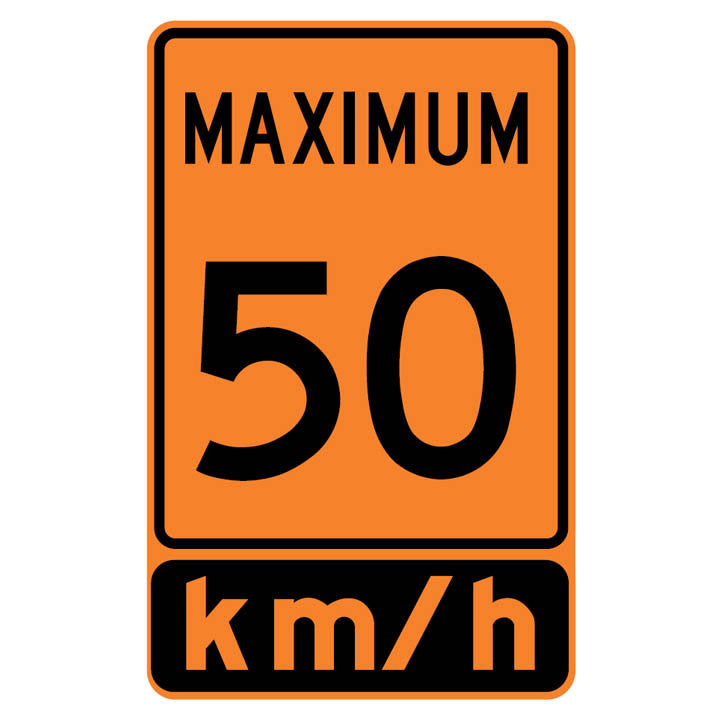
Traffic signs must be visible and stable at all times. Temporary signs are often mounted on portable stands. These stands need extra support.
Sand Bags are placed on the base of the stand. This adds weight and prevents tipping. Even in strong wind, the sign stays upright.
This is very important in high-speed areas. Drivers need time to read and react. A stable sign ensures the message is always clear.
Stabilizing Barriers and Barricades
Barriers and barricades guide traffic through work zones. They create lanes and protect workers. If they move, the entire setup can fail.
Sand Bags help keep these barriers in place. They hold down the base and prevent shifting. This keeps lanes consistent and easy to follow.
In busy areas, vehicles pass close to barriers. The air pressure from passing trucks can cause movement. Sand Bags reduce this effect and improve stability.
Adapting to Weather Conditions
Weather can change quickly. Wind is one of the biggest challenges in Traffic Control. Strong gusts can knock over signs and move barriers.
Rain can also affect stability. Wet surfaces can make devices slip. Sand Bags provide extra grip and weight in these conditions.
In winter, snow and ice create additional risks. Sand Bags help keep equipment stable on slippery surfaces. They are a reliable solution in all seasons.
Proper Placement of Sand Bags
Correct placement is important for best results. Sand Bags should be placed evenly on the base of the device. This ensures balanced weight.
If weight is uneven, the device may still tip. Proper placement keeps everything steady. It also prevents damage to the equipment.
In larger setups, multiple Sand Bags may be needed. This depends on the size of the sign or barrier and the conditions on site.
Easy Setup and Removal
One of the biggest advantages of Sand Bags is ease of use. They do not require special tools. They can be placed quickly by any crew member.
This is important for temporary Traffic Control setups. Crews often need to install and remove equipment quickly. Sand Bags make this process simple.
They are also easy to transport and store. This makes them a practical choice for any project.
Supporting Flexible Traffic Control Plans
Traffic Control plans often change. Work zones shift. Lanes open and close. Equipment must move with these changes.
Sand Bags support this flexibility. They can be added or removed as needed. This allows teams to adjust setups quickly.
This adaptability is key in dynamic environments. It helps maintain safety even as conditions change.
Reducing Long-Term Costs
Unstable equipment can lead to damage. Signs may break. Barriers may need replacement. This increases costs over time.
Sand Bags help prevent this damage. By keeping devices stable, they extend the life of the equipment. This reduces replacement costs.
They also help prevent accidents. Fewer accidents mean fewer delays and lower liability. This makes Sand Bags a cost-effective solution.
Working with Other Traffic Control Tools
Sand Bags are most effective when used with other Traffic Control tools. These include cones, signs, and barriers.
Together, they create a complete system. Each part plays a role. Sand Bags provide the foundation that keeps everything stable.
This combined approach improves safety and efficiency. It ensures that every part of the setup works as intended.
Sand Bags are a simple but powerful tool in Traffic Control. They provide stability, improve safety, and support flexible setups.
They keep signs visible and barriers in place. They protect equipment and reduce risks. They perform well in all weather conditions.
For any temporary Traffic Control setup, Sand Bags are essential. They help create a safe and reliable environment for both workers and drivers.