The Future of Ontario Traffic Control
How Traffic Control Is Evolving
Traffic Control in Ontario is changing fast. Roads are busier than ever. Construction projects are more complex. Cities are growing. This means traffic systems must become smarter.
In the past, traffic control relied on static signs and basic setups. Today, new technology is improving how roads are managed. Smart tools help guide drivers, reduce delays, and improve safety. The future of Traffic Control is focused on real-time information and better communication.
The Rise of Smart Traffic Signs
 Smart signs are changing the way drivers interact with the road. These signs can update messages instantly. They respond to traffic conditions, weather, and road changes.
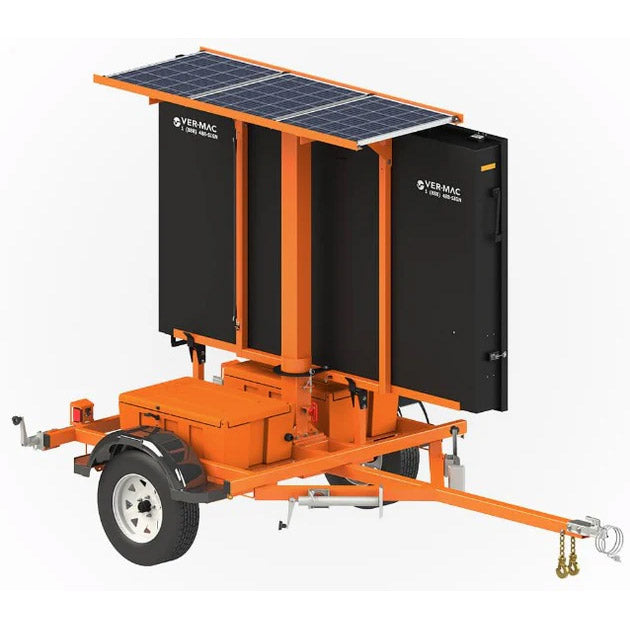
A PCMS is one of the most important smart tools. It stands for Portable Changeable Message Sign. It displays live messages such as “Lane Closed Ahead” or “Expect Delays.” These messages can change at any time.
This flexibility helps drivers prepare early. It reduces confusion and improves traffic flow. Smart signs like PCMS are becoming standard in modern Traffic Control systems.
How PCMS Improves Work Zones
 Construction zones are one of the biggest challenges for Traffic Control. Conditions change daily. Lanes shift. Workers move around the site.
A PCMS helps manage these changes. It gives real-time updates to drivers. If a lane closes suddenly, the message can change right away. This keeps drivers informed and reduces sudden reactions.
Using PCMS in work zones improves safety. Drivers understand what is happening ahead. This reduces accidents and protects workers.
Radar Speed Signs / School Zone Sign and Driver Behaviour
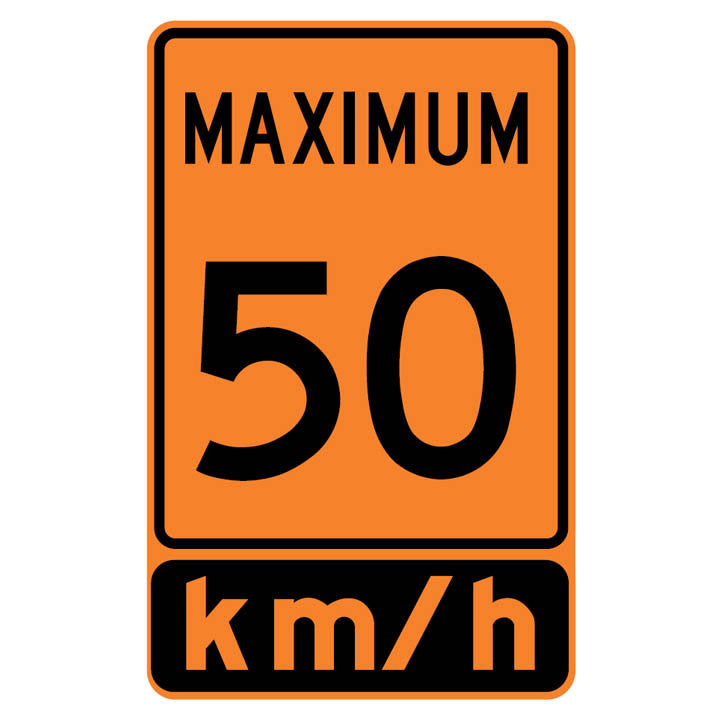
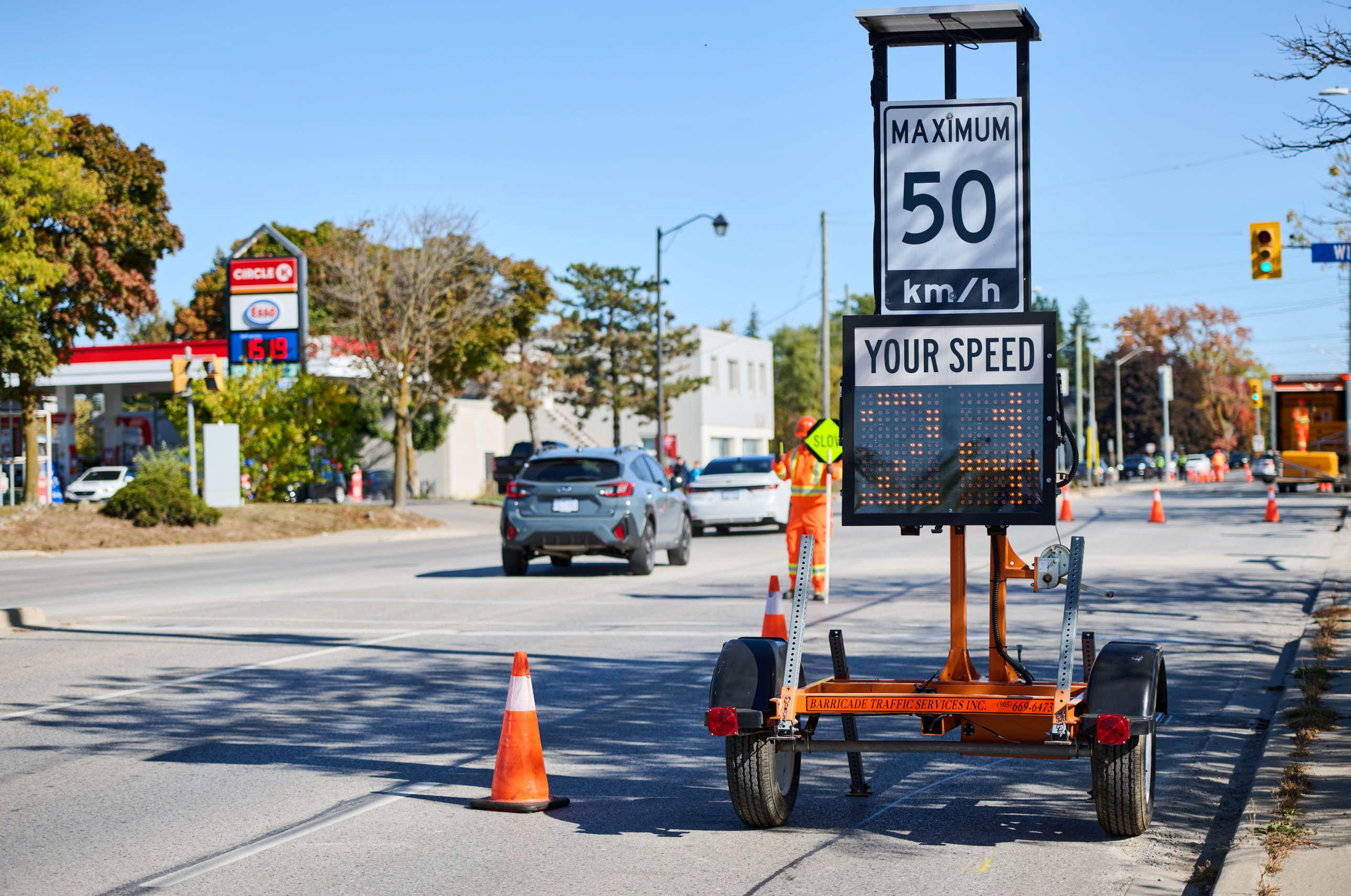
Radar Speed Signs are another key trend in modern Traffic Control. These signs show drivers their current speed. This creates instant awareness.
When drivers see their speed, they often slow down. This simple action improves safety, especially in high-risk areas like school zones and construction zones.
Radar Speed Signs are effective because they create interaction. Unlike static signs, they respond to each vehicle. This makes them a powerful tool for changing driver behaviour.
Real-Time Data and Traffic Control
Technology now allows traffic systems to collect data in real time. Sensors and cameras monitor traffic flow. This data helps teams make better decisions.
For example, if traffic builds up in a work zone, signal timing can be adjusted. A PCMS can display new instructions. Radar Speed Signs can help control speed in congested areas.
Real-time data makes Traffic Control more responsive. It allows quick changes that improve flow and reduce delays.
Integration of Smart Systems
The future of Traffic Control is not just about individual tools. It is about integration. PCMS, Radar Speed Signs, and other systems work together.
For example, a Radar Speed Sign can detect speeding vehicles. At the same time, a PCMS can display a warning message. Together, they create a strong communication system.
This integration improves efficiency. It ensures that drivers receive clear and consistent information. It also helps traffic control teams manage complex situations more effectively.
Improving Safety Through Technology
Safety is the main goal of Traffic Control. Smart technology helps achieve this goal in new ways. It reduces human error. It provides clear and timely information.
PCMS units warn drivers before they reach hazards. Radar Speed Signs encourage safer speeds. Together, they reduce the risk of accidents.
These tools also protect workers. When drivers slow down and follow instructions, work zones become safer. This is especially important in high-speed areas.
Adapting to Urban Growth
Ontario cities are growing quickly. More people means more vehicles on the road. This increases pressure on Traffic Control systems.
Smart technology helps manage this growth. It improves traffic flow and reduces congestion. It also supports better planning for future projects.
Urban areas benefit greatly from tools like PCMS and Radar Speed Signs. These tools adapt to changing conditions and keep traffic moving smoothly.
Environmental and Efficiency Benefits
Modern Traffic Control is also focused on efficiency. Reducing congestion means less idling. This lowers fuel use and emissions.
Smart signs help drivers move more smoothly through work zones. This reduces stop-and-go traffic. It also improves travel times.
Efficient traffic systems are better for the environment and the economy. They save time and reduce costs for drivers and businesses.
The Role of Traffic Control Experts
Even with advanced technology, skilled professionals are still essential. Traffic control experts design and manage these systems. They ensure everything works together.
They decide where to place PCMS units. They set up Radar Speed Signs in key locations. They monitor data and make adjustments.
Their expertise ensures that technology is used effectively. This creates a safe and reliable Traffic Control system.
Preparing for the Future
The future of Traffic Control in Ontario will continue to evolve. New technologies will emerge. Systems will become more connected and automated.
PCMS and Radar Speed Signs are just the beginning. Future systems may include more advanced sensors, AI-based traffic management, and connected vehicles.
Staying updated with these trends is important. It helps companies and municipalities stay ahead and improve safety on the roads.
The future of Traffic Control in Ontario is smart, connected, and data-driven. Tools like PCMS and Radar Speed Signs are leading this change. They provide real-time information and improve driver behaviour.
As roads become busier and projects more complex, smart technology will play an even bigger role. It will help reduce congestion, improve safety, and create better driving experiences.
By adopting these innovations, Traffic Control systems can meet the demands of the future. This ensures safer roads for drivers, workers, and communities across Ontario.