

Safe roads depend on clear planning. Every construction project, road repair, utility job, or public event must guide drivers in a safe way. In Ontario, this guidance comes from a Traffic Control Plan, also called a TCP. A strong TCP protects workers, drivers, and pedestrians. It also ensures that projects follow provincial rules set by the Ministry of Transportation of Ontario, known as the MTO.
Barricade Traffic Services works with contractors, municipalities, and event planners across Ontario. Our goal is simple. We help every project achieve safe and compliant Traffic Control from start to finish.
What Is a Traffic Control Plan in Ontario?
A Traffic Control Plan is a detailed layout that explains how traffic will move through or around a work zone. It shows where signs, cones, barrels, and barriers will be placed. It explains lane closures, detours, and speed changes. It also defines safe areas for workers and pedestrians.
Ontario requires clear planning before work begins on public roads. Without a proper TCP, a project may face delays, fines, or safety risks. A well-designed TCP keeps traffic moving while protecting everyone near the work area. This is why experienced Traffic Control Companies play an important role in road safety.
Why MTO Standards Matter for Traffic Control
The MTO sets strict rules for work zones and road safety. These rules ensure that drivers receive clear and consistent messages across Ontario. When drivers see familiar Ontario Traffic Signs, they understand what to do. This reduces confusion and prevents accidents.
MTO standards also define spacing between signs, required visibility, and proper device placement. They explain how to manage highways, city streets, and rural roads. Following these rules is not optional. It is required for legal and safe Traffic Control.
Barricade Traffic Services designs TCPs that meet these exact standards. Our team understands provincial guidelines and applies them to real-world road conditions.
Step One: Understanding the Road and Work Zone
Every Traffic Control Plan begins with a full review of the site. The road type matters. A busy highway needs a different approach than a quiet residential street. Traffic speed, lane width, and nearby intersections all affect safety planning.
The nature of the work also matters. Short-term utility work requires quick setup and removal. Long-term construction needs stronger barriers, more signage, and clear detours. Weather and visibility must also be considered, especially during Ontario winters.
By studying these details, Traffic Control Companies can design a plan that truly protects the public.
Step Two: Choosing the Right Ontario Traffic Signs and Devices
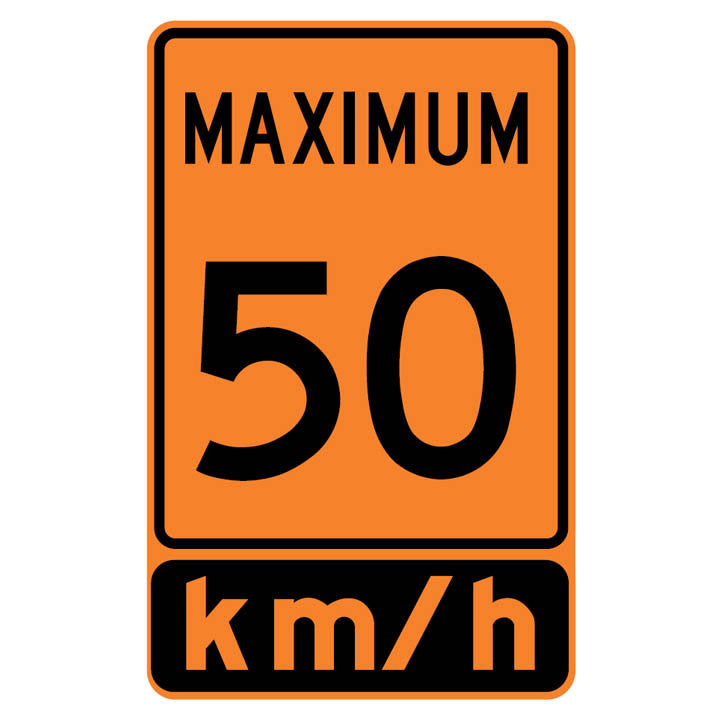
Clear communication is the heart of safe traffic control. Drivers must know what is ahead before they reach the work zone. This is why Ontario Traffic Signs follow strict design rules for colour, size, and wording.
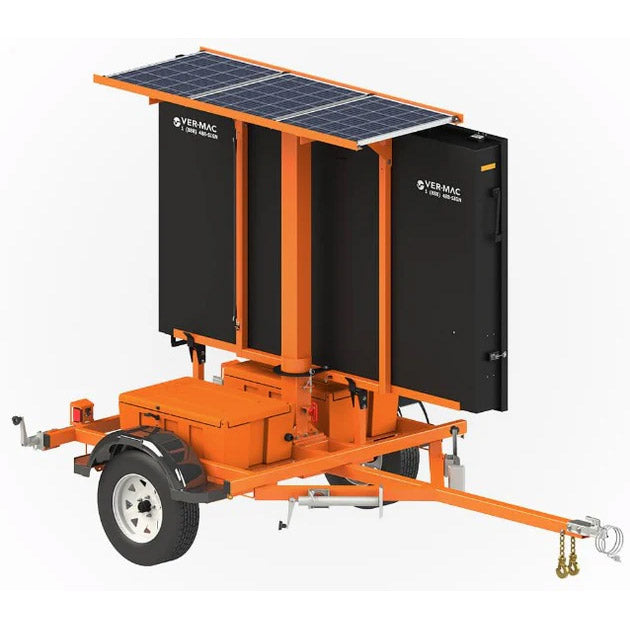
Warning signs alert drivers to construction ahead. Regulatory signs control speed and lane use. Directional signs guide detours. Cones, barrels, and barriers create physical separation from danger.
Each device must appear in the correct order and distance. If signs are too close, drivers cannot react in time. If they are too far, drivers may ignore them. A proper TCP balances visibility and timing to keep traffic flowing safely.
Step Three: Managing Lane Closures and Detours
Lane closures are one of the biggest risks in road work. Drivers must merge safely without sudden stops. A Traffic Control Plan must show exactly where the closure begins and how traffic transitions into open lanes.
Detours require even more care. Drivers must follow a clear and simple route. Signs must appear early and continue along the full detour path. Missing or unclear signs can cause confusion, congestion, or accidents.
Professional Traffic Control Companies ensure that every closure and detour follows MTO spacing and safety rules. This keeps projects compliant and reduces risk.
Step Four: Protecting Workers and Pedestrians
A TCP does more than guide vehicles. It must also protect people. Workers need safe buffer zones between traffic and the job site. Pedestrians need clear walkways that remain accessible.
Barriers, fencing, and signage help create these safe spaces. Lighting may also be required for night work. In busy cities across Ontario, pedestrian safety is just as important as vehicle safety.
Barricade Traffic Services designs Traffic Control setups that protect everyone on the road, not just drivers.
Step Five: Monitoring and Adjusting the Plan
Traffic conditions change. Weather shifts. Construction stages move forward. A good Traffic Control Plan must adapt.
Regular inspections ensure that Ontario Traffic Signs remain visible and devices stay in the correct position. If traffic flow changes, the TCP may need updates. Flexible planning keeps roads safe throughout the project.
Experienced Traffic Control Companies provide ongoing support, not just initial setup. This continuous attention is key to meeting MTO expectations.
Why Choose Barricade Traffic Services for Ontario Traffic Control
Creating a compliant Traffic Control Plan requires knowledge, training, and real-world experience. Barricade Traffic Services brings all three. We understand MTO standards. We supply approved Ontario Traffic Signs and safety devices. We design and manage complete Traffic Control solutions for construction, utilities, municipalities, and events.
Our team focuses on safety, efficiency, and compliance. We help projects avoid delays and protect the public. Most importantly, we help keep Ontario roads safe every day.
Build a Safer Traffic Control Plan Today
A strong Traffic Control Plan is not just paperwork. It is a safety system that protects lives. Meeting Ontario MTO standards ensures clear communication, smooth traffic flow, and reduced risk.
Barricade Traffic Services is ready to help you design and implement professional Traffic Control that meets every requirement. Work with one of Ontario’s trusted Traffic Control Companies and ensure your next project is safe, compliant, and successful.

THE DIFFERENCE IS SERVICE
We proudly provide the highest level of service to our customers

100% canadian-owned
Ontario's largest Canadian-owned traffic control company.