

School work zones require careful planning to protect students, parents, school staff, construction crews, and passing motorists. When construction takes place near a school, even a small change to the roadway can affect how people enter, exit, and move around the property.
Effective traffic control helps manage these changing conditions. The right combination of signs, barricades, speed management devices, and temporary traffic control equipment can help guide drivers and pedestrians around construction activities while maintaining access to school facilities.
Barricade Traffic Services provides traffic control equipment and solutions for construction and infrastructure projects throughout Ontario. Whether your project involves school renovations, parking lot repairs, road reconstruction, utility work, or improvements to school entrances, a well-planned traffic control setup can help keep the work area organized.
Why Traffic Control Matters in School Work Zones
School areas experience different traffic patterns throughout the day. Morning drop-offs, afternoon pickups, school buses, pedestrians, cyclists, and staff vehicles can all use the same roads and entrances.
Construction adds another layer of complexity. Contractors may need to close a driveway, restrict access to a parking area, redirect pedestrians, or move equipment near an active roadway.
Without appropriate traffic control, drivers may not know where to enter, where to stop, or which route to follow. Pedestrians may also encounter unexpected obstructions or crossing points.
A school work-zone traffic control plan should account for the needs of everyone using the area. It should identify potential conflicts, establish clear routes, and communicate changes before road users reach the affected area.
Depending on the project, traffic control measures may include:
- Temporary traffic signs and school zone signs
- Speed limit signs and school zone radar signs
- Radar speed signs to display vehicle speeds
- Barricades and channelizing devices
- Temporary pedestrian routes and crossing arrangements
- Traffic cones and drums
- Parking and access restriction signs
- Temporary lane closures and detours
The required equipment depends on the location, project scope, traffic conditions, and applicable requirements.
Traffic Control for School Construction Projects
Every school construction project presents different challenges. A small parking lot repair may require a different setup than a major renovation that affects nearby roads and pedestrian access.
Planning should begin with an assessment of the work area and how the project will affect daily school operations.
School Entrance and Exit Management
School entrances can become congested when construction affects the usual traffic pattern. A closed driveway or restricted turning area may cause vehicles to queue in unexpected locations.
Traffic control signs and barricades can help direct vehicles toward designated entrances and exits. Temporary signs should communicate access restrictions clearly and give drivers enough warning to make safe decisions.
For larger projects, contractors may also need to coordinate vehicle access with school administrators, delivery schedules, school buses, and emergency services.
Parking Lot Construction
Parking lot resurfacing, drainage repairs, and pavement reconstruction can temporarily remove parking spaces or restrict access to certain sections of a school property.
Traffic control devices can help separate active work areas from vehicle routes. Parking signs can identify restricted spaces, while cones and barricades can guide drivers around closed sections.
The layout should also account for pedestrians walking between parking areas, school entrances, and nearby sidewalks.
Roadwork Near Schools
Construction near a school may affect public roads, sidewalks, intersections, or designated school crossing areas.
In these situations, Ontario traffic signs and other temporary traffic control devices can help communicate changes to drivers and pedestrians. Depending on the work, the setup may require advance warning signs, lane closures, temporary speed restrictions, or designated pedestrian routes.
Traffic control arrangements should follow the applicable municipal and provincial requirements. Contractors should confirm the appropriate setup with the relevant road authority before work begins.
Ontario Traffic Signs for School Work Zones
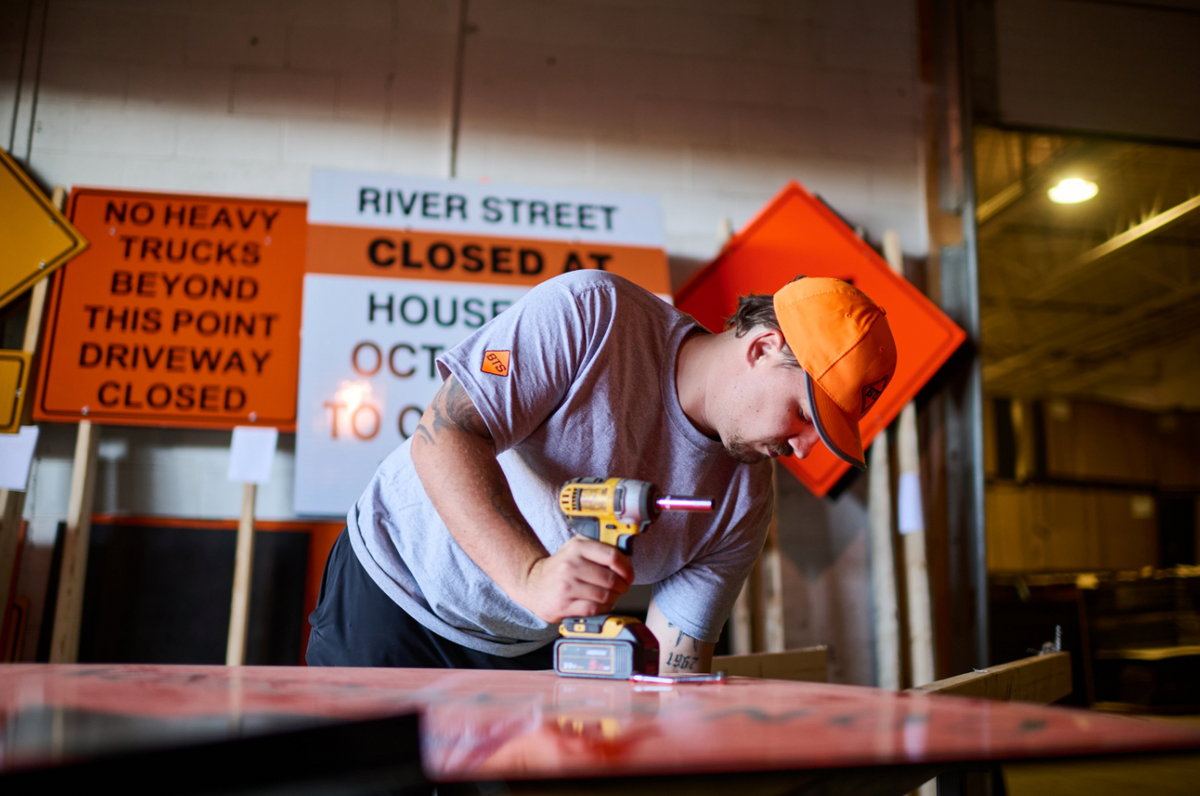
Clear signage is a key part of traffic control around schools. Drivers need to understand when they are approaching a construction area, whether their usual route has changed, and where they should expect pedestrians or workers.
The selection and placement of Ontario traffic signs should reflect the actual conditions around the work zone.
Depending on the project, signs may communicate:
- Construction activity ahead
- Temporary lane closures
- Detours and alternate routes
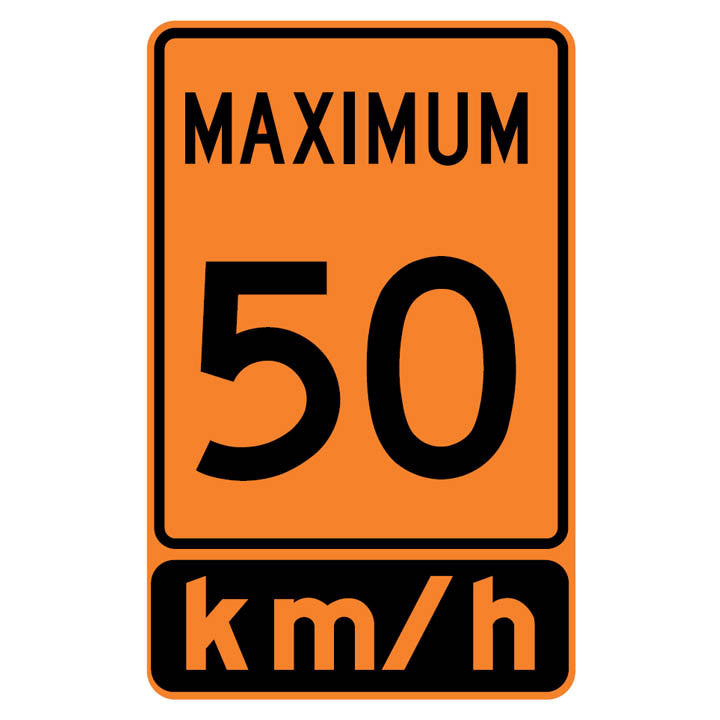
- Reduced speed limits where authorized
- Restricted access
- Temporary parking changes
- Pedestrian route changes
- School zone conditions
Road signs should be visible, easy to understand, and positioned in accordance with the applicable requirements.
Temporary construction signs must also be reviewed when the work area changes. A sign that was appropriate during the first phase of a project may no longer apply after crews move to another section of the property.
For guidance on temporary traffic control in Ontario, consult the Ontario Traffic Manual, Book 7: Temporary Conditions. This provincial manual addresses traffic control devices in temporary work zones, including construction and maintenance activities.
School Zone Radar Signs and Radar Speed Signs
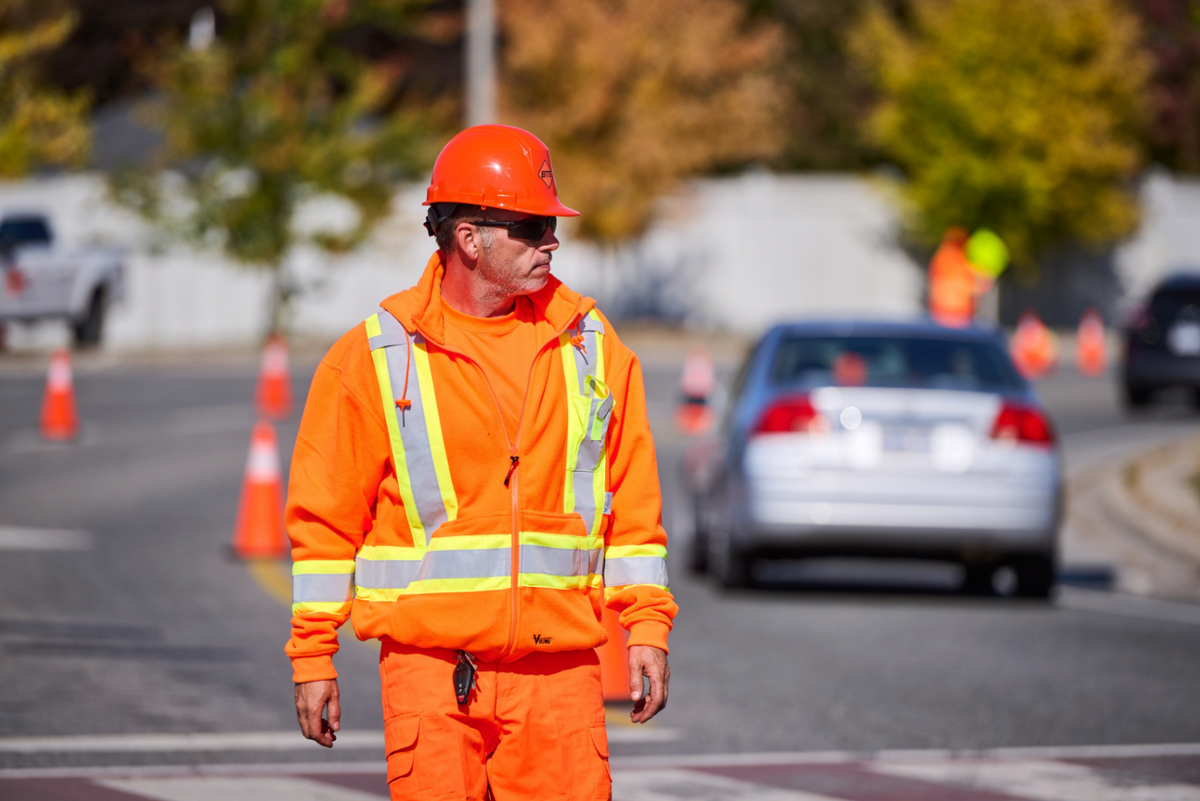
Vehicle speeds are an important consideration when construction takes place near a school. Temporary changes to the roadway can create unfamiliar conditions, and drivers may need additional reminders to observe posted speed limits.
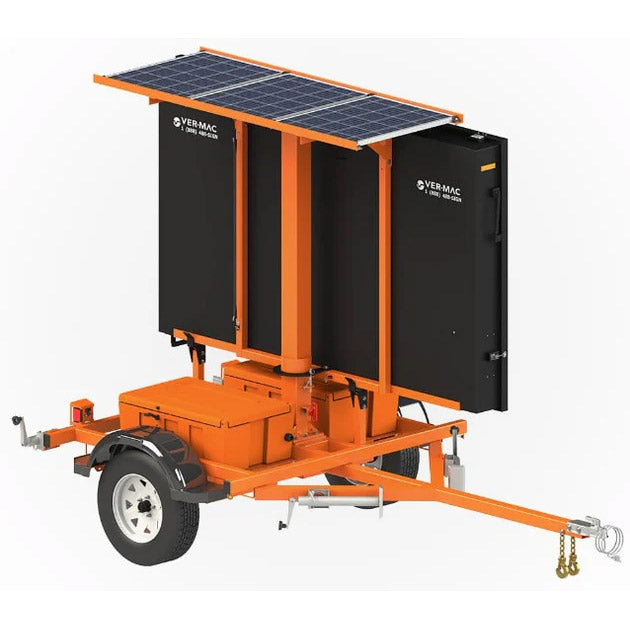
A school zone radar sign or radar speed sign can display a vehicle's speed to provide immediate feedback to approaching drivers. Depending on the model and application, these devices may also support speed data collection.
Radar speed signs can be considered as part of a broader traffic control strategy when they are suitable for the location and permitted by the relevant authority.
How Radar Speed Signs Support School Work Zones
Radar speed signs can help make vehicle speed more visible to drivers. This may be useful when traffic passes a school entrance, a temporary pedestrian route, or a construction area where speed management is a concern.
Potential applications include:
- School approaches affected by construction
- Temporary traffic routes near school entrances
- Locations where drivers need a visible speed reminder
- Approved speed management initiatives near pedestrian activity
- Roadway projects where speed data may help inform traffic planning
A radar speed sign does not replace required regulatory signs, traffic control measures, or enforcement. Its use should be evaluated based on the roadway, local requirements, and project objectives.
Choosing the Right Radar Speed Sign
Before selecting a radar speed sign, consider the location, posted speed limit, traffic volume, visibility, mounting requirements, and intended use.
Some devices display a driver's current speed, while others offer additional features such as data logging or solar power. The appropriate features depend on the needs of the project.
The installation location should also provide drivers with enough time to see the sign and respond appropriately. Any proposed use on a public road should be reviewed with the responsible road authority.
Traffic Management During School Hours
School work-zone planning should consider more than the immediate construction area. It should also account for how traffic moves through the surrounding streets and access points.
Traffic Management can involve coordinating construction schedules, vehicle routes, lane restrictions, pedestrian access, and temporary traffic patterns to reduce conflicts.
Where practical, contractors can schedule disruptive work around busy school arrival and dismissal periods. This decision should also account for emergency access, school bus movements, deliveries, and any restrictions imposed by the road authority.
A traffic management approach may include:
- Identifying peak arrival and departure periods
- Reviewing vehicle and pedestrian movement
- Planning temporary access routes
- Coordinating road closures and deliveries
- Communicating changes to school administrators
- Reviewing detours and nearby intersections
- Updating traffic control equipment as work progresses
These steps help the project team anticipate problems before they affect daily school operations.
Separating Construction Areas From Pedestrian Routes

Students and other pedestrians may need to pass near construction activities to reach a school entrance, sidewalk, crossing, or transit stop.
Where possible, pedestrian routes should remain separate from active work areas and construction vehicle movements. If a normal route becomes unavailable, the project team should establish an appropriate alternative in accordance with applicable accessibility and traffic control requirements.
Barricades, signs, and other suitable devices can help communicate where pedestrians should travel. However, the equipment must be appropriate for the location and must not create additional hazards or obstruct accessible routes.
Before opening a temporary pedestrian route, confirm that it is continuous, clearly identified, and suitable for its intended users.
Adapting Traffic Control as Construction Moves
School construction projects often progress through several stages. Work may begin in a parking lot, move toward the school entrance, and later affect a sidewalk or adjacent roadway.
The traffic control arrangement should change with the work.
At the start of each phase, review the current setup and identify which devices need to be relocated, added, or removed. Confirm that signs still describe the actual conditions and that drivers and pedestrians can follow the intended routes.
For example, a project that initially requires a parking restriction may later require a temporary driveway closure. The team may need to update access signs, relocate barricades, and communicate a new route to drivers.
Regular reviews help keep the traffic control setup relevant throughout the project rather than relying on the original layout after conditions have changed.
Ontario Road Safety Guidance and Requirements
School work-zone traffic control should be planned with reference to applicable provincial legislation, traffic control guidance, municipal requirements, and project specifications.
Three useful government resources are:
- Ontario Traffic Manual, Book 7 – Temporary Conditions: Guidance for traffic control in temporary work zones, including construction and maintenance activities. Read Book 7 through Publications Ontario.
- Ontario Regulation 615 – Signs: Ontario's regulation covering prescribed road signs, including school-related and speed-limit signs. Review the requirements that apply to your specific location and installation. Read Ontario Regulation 615.
- Ontario Regulation 138/26 – Signs: A 2026 amendment addressing specified school-zone and speed-limit sign provisions. Review the current legislation and its application to the road authority and project. Read Ontario Regulation 138/26.
These resources provide authoritative information for planning and checking traffic signage. They do not replace a site-specific traffic control plan or confirmation from the road authority responsible for the location.
Traffic Control Equipment for School Work Zones
The right equipment depends on the type of work, the amount of traffic, the location of pedestrians, and the duration of construction.
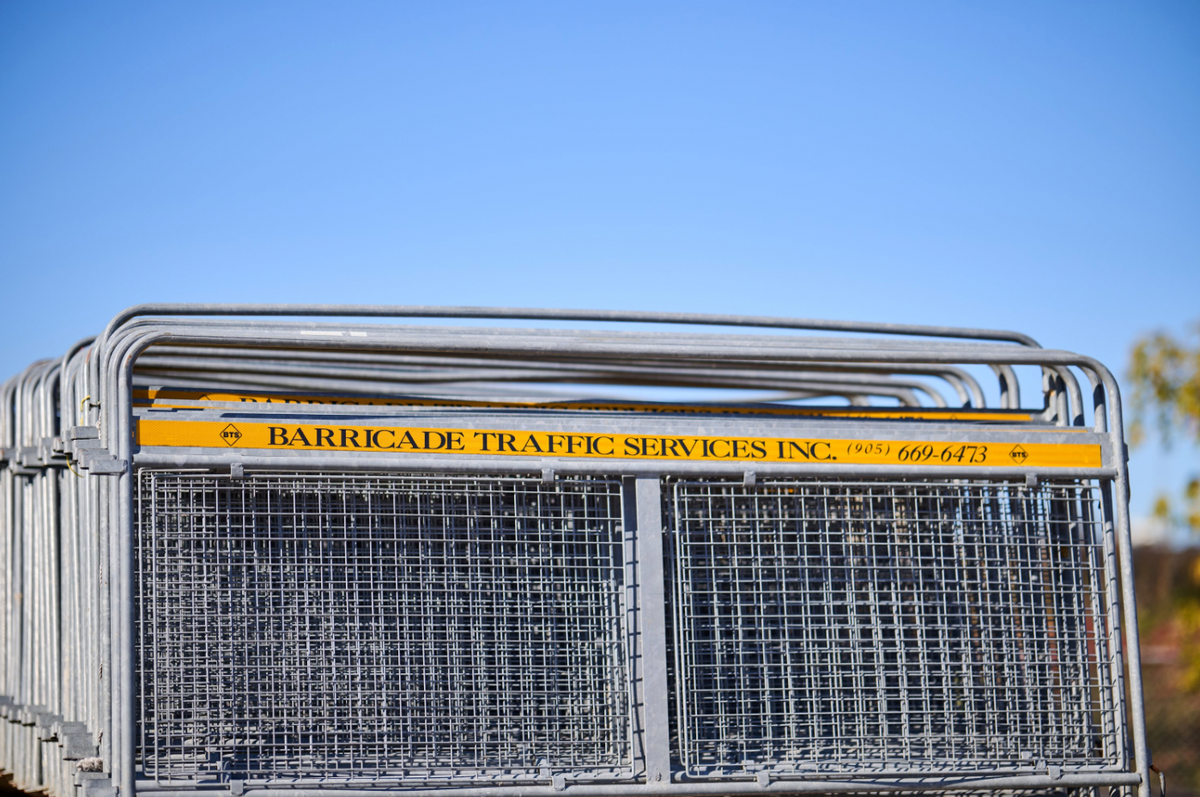
Barricade Traffic Services supports construction and infrastructure projects with traffic control equipment and solutions. Depending on project requirements, the equipment needed for a school work zone may include:
- Traffic signs for temporary road conditions
- Barricades for restricting access
- Traffic cones and drums for channelization
- Parking signs for temporary restrictions
- Radar speed signs for suitable speed management applications
- Other devices required by the approved traffic control setup
Equipment should be selected and installed according to the project's requirements and the manufacturer's instructions. Public-road installations should be coordinated with the responsible road authority.
Plan Your School Work Zone With Barricade Traffic Services
School construction requires careful coordination between contractors, school administrators, road authorities, and the people who use the surrounding area every day.
A well-planned traffic control setup can help make temporary routes clearer, separate work areas from public access, and manage changing conditions as construction progresses.
Barricade Traffic Services provides traffic control equipment and solutions for roadwork, construction, and infrastructure projects throughout Ontario.
Whether your project involves school access improvements, parking lot repairs, temporary lane closures, or construction near a school zone, our team can help you identify the traffic control equipment needed for your site.
Contact Barricade Traffic Services to discuss your school work-zone requirements and plan your next project.

THE DIFFERENCE IS SERVICE
We proudly provide the highest level of service to our customers

100% canadian-owned
Ontario's largest Canadian-owned traffic control company.