

Speed affects safety on all roads. Whether on busy highways, residential streets, school zones, or construction zones, excessive speed increases the risk of accidents — for drivers, pedestrians, workers, and cyclists. Radar Speed Signs give drivers instant feedback on their speed, helping them correct it before problems arise. These signs are more than just reminders: they are active tools for traffic signage, safety enforcement, and traffic calming.
The right use of Radar Speed Signs can change driver behavior, improve site safety, and make communities safer. Let’s dive into what they are, how they work, where they make sense, and why they’re a smart tool for many different situations.
What Is a Radar Speed Sign — How It Works and Why It Matters
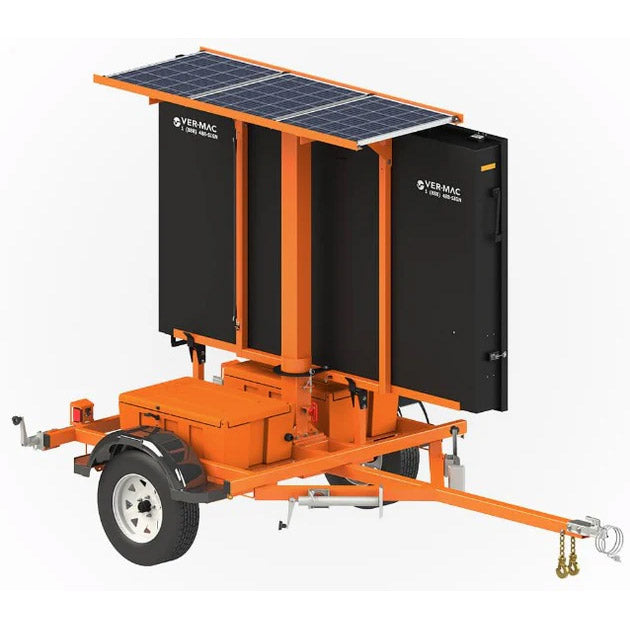
A Radar Speed Sign is an electronic sign equipped with radar (or similar speed-detection technology) that senses a vehicle's speed as it approaches and displays that speed in real time on a bright, easily readable display. Often, the sign also shows the posted speed limit or a warning when drivers exceed it. This immediate visual feedback — “You are going 55 km/h — slow down” — triggers a driver’s awareness and urges them to slow down right away.
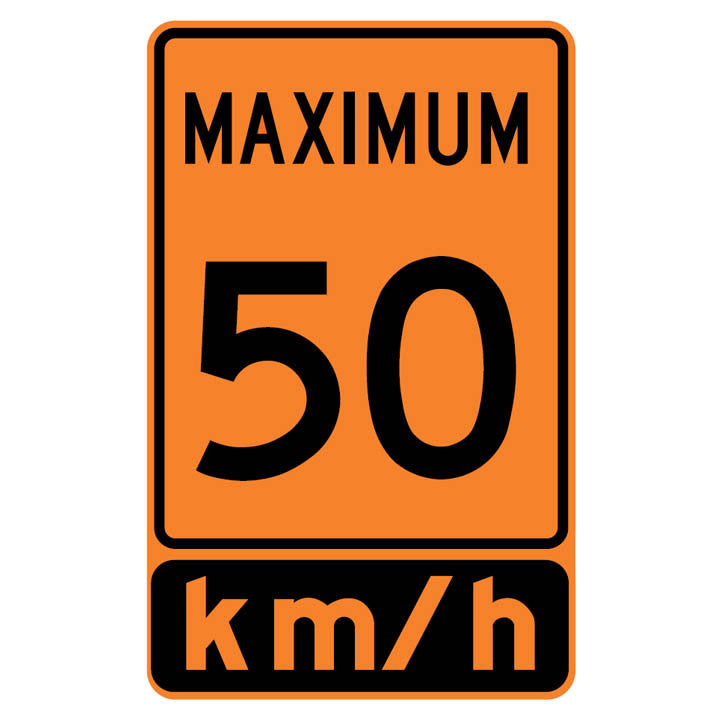
Compared with static signs like “Speed Limit 50” or “Construction Ahead,” Radar Speed Signs actively engage drivers. That engagement encourages compliance more effectively, especially in areas where standard Construction Signs or Construction Traffic Signs are already in place. By combining radar feedback with appropriate traffic signage, a site becomes safer and more controlled.
Radar Speed Signs are often portable or trailer-mounted, which means they can be relocated, stored, and reused — perfect for changing conditions or temporary setups. This portability also creates a valuable rent vs buy flexibility: you can rent for short projects or events, or buy if you expect regular usage. This adaptability makes them a cost-effective safety solution for many road management scenarios.
Use Cases: Where Radar Speed Signs Work Best
Road Construction Zones and Work Sites
Construction zones present unique hazards. Workers are close to traffic, lanes may shift, and unexpected changes in road layout or speed limits occur often. Placing a Radar Speed Sign at the entrance to a work zone gives drivers a timely speed check as they approach. Even experienced drivers might unintentionally speed if they’re used to a higher limit. The sign reminds them to slow before reaching the site.
When combined with Construction Traffic Signs — such as lane-closure warnings, merge-left/merge-right instructions, or detour indicators — the Radar Speed Sign becomes part of a comprehensive traffic control plan. This layered approach improves compliance and enhances safety for both workers and drivers.
Residential Streets and School Zones
On quiet residential roads or near schools, speed matters more than on wide highways. Children crossing, pedestrians walking, and cyclists weaving through are all common. Radar Speed Signs help keep drivers alert. A flashing reminder of actual speed encourages motorists to slow down, reducing risks to vulnerable road users.
In school zones, where speed enforcement is critical, Radar Speed Signs support overall traffic signage plans. Even when flashing school-zone lights or static signs are visible, the addition of a speed feedback sign gives extra protection — and potentially deters repeat offenders.
Neighbourhoods, Parks, and Shared Spaces
In parks, community spaces, and mixed pedestrian-vehicle areas, speed often fluctuates. Temporary events, festivals, or community cleanups may increase traffic volume unexpectedly. Using a Radar Speed Sign temporarily helps manage speed and keeps everyone safe. As conditions return to normal, the portable sign can be removed — leaving no permanent infrastructure behind.
This flexibility makes Radar Speed Signs ideal for municipalities or community organizations that need adaptable safety tools for changing public-space usage.
Use Cases: Events, Concerts, and Sports Venues
Outdoor Concerts and Festivals
Large concerts or festivals draw crowds — foot traffic, pedestrian paths, temporary parking zones, and high vehicle turnover. Attendees may be unfamiliar with the surroundings, leading to confusion and potential hazards. A Radar Speed Sign at the venue entrance or near parking traffic can help manage speed, especially where vehicles and pedestrians mingle.
As part of a temporary traffic signage plan that includes directional signs, pedestrian crossings, and “No Parking” warnings, the Radar Speed Sign enhances safety and helps organizers manage flow efficiently. Because the sign is portable, it can be removed when the event ends, avoiding permanent installations in public spaces.
Sporting Events and Stadium Areas
Sports venues often experience surges of traffic — fans arriving, buses coming and going, shuttles, and general congestion. Moreover, people often walk from parking areas to the stadium. With vehicles and pedestrians sharing space, speed must be controlled strictly.
Deploying a Radar Speed Sign in parking lots, exit lanes, or shuttle departure zones gives drivers an immediate reminder to monitor their speed. Combined with stadium signage and traffic control plans, this simple sign reduces the risk of accidents, protects fans walking on foot, and supports safe, orderly entry and exit operations.
Community Fairs, Parades, and Local Gatherings
For local events like fairs or parades, neighborhoods often experience unusual traffic patterns — slow-moving cars, parked vehicles, children walking around. A Radar Speed Sign helps keep speed low in unfamiliar and crowded settings where static speed-limit signs might be ignored or go unnoticed.
Because these signs are portable and easy to install, event coordinators can set them up quickly and remove them after the event. This makes them ideal for community use, where convenience, safety, and minimal infrastructure changes matter most.

Long-Term vs Short-Term Use: Rent or Buy?
One of the big advantages of Radar Speed Signs is flexibility. If your need is temporary — like a road repair, a festival, or seasonal maintenance — renting a speed sign is cost-effective. You get professional-grade equipment without long-term storage, maintenance, or upkeep.
If you work in road maintenance, municipal traffic planning, or manage multiple sites, buying may make sense. Once you own the sign, you can deploy it whenever you need: for a work zone one day, a school zone the next, or a special event afterward. Over time, ownership may save money compared to repeated rentals — and you have full control over scheduling and placement.
This rent vs buy flexibility makes Radar Speed Signs a smart investment for companies, municipalities, or contractors managing ongoing traffic control projects.
Integration With Construction Traffic Signage and Road Safety Plans
Radar Speed Signs don’t replace traditional Construction Signs or standard Road Construction Traffic Signs. Instead, they complement them. A good traffic control plan might include static signage (lane closures, detour arrows, warning signs), barrier walls or cones to guide vehicles, and a Radar Speed Sign to remind drivers to slow down. Together, this layered approach supports visibility, compliance, and safety.
In addition, because many Radar Speed Signs are portable, crews can move them as work progresses down a road, ensuring consistent speed control even as lanes shift and zones move. This adaptability improves overall site management and reduces risk during dynamic work phases.
Challenges and Best Practices
Radar Speed Signs work best when they are positioned correctly, when drivers can see them well before they reach the hazard, and when the posted speed limit is appropriate for the context. If a sign is buried behind other signs, obscured by foliage, or placed too close to a hazard, their effectiveness drops.
To maximize performance, combine radar speed signage with proper construction signage and traffic control elements. Make sure drivers have enough reaction time after they see the speed display. For school zones or pedestrian-heavy areas, include warning signs about crossing children or merging traffic.
Finally, maintain the sign — check power sources (battery or solar), ensure the radar sensor works properly, and confirm that display brightness remains readable in all lighting conditions.

Radar Speed Signs Are an Effective, Flexible, Safety-Focused Solution
When you need to control speed — whether on a busy highway, in a neighbourhood, at a festival, or inside a work zone — Radar Speed Signs deliver real, measurable safety benefits. They combine immediate feedback with flexibility, portability, and cost-effectiveness.
While traditional enforcement has its place, radar signs provide continuous speed monitoring, driver feedback, and often better compliance — especially when combined with good traffic signage and well-designed construction traffic signs. Their ability to adapt to different projects and environments makes them ideal for both short-term events and long-term traffic control strategies.
If you want reliable, high-quality radar speed signage and expert support to integrate it into your traffic management plan — from work zones to community events — Barricade Traffic Services provides the tools and guidance you need. Safety and clarity start with the right equipment — get your Radar Speed Signs from Barricade Traffic Services today.
Get Started with BTS Today
From concerts and parades to construction sites and markets, strong barriers keep people safe and traffic flowing smoothly. BTS makes it easy to find the right solutions for any job. Contact us today to talk about our metal crowd control fencing and flexible rental options. Let’s make your next event or project safe, effective, and successful with the best traffic control services you can trust.

THE DIFFERENCE IS SERVICE
We proudly provide the highest level of service to our customers

100% canadian-owned
Ontario's largest Canadian-owned traffic control company.