
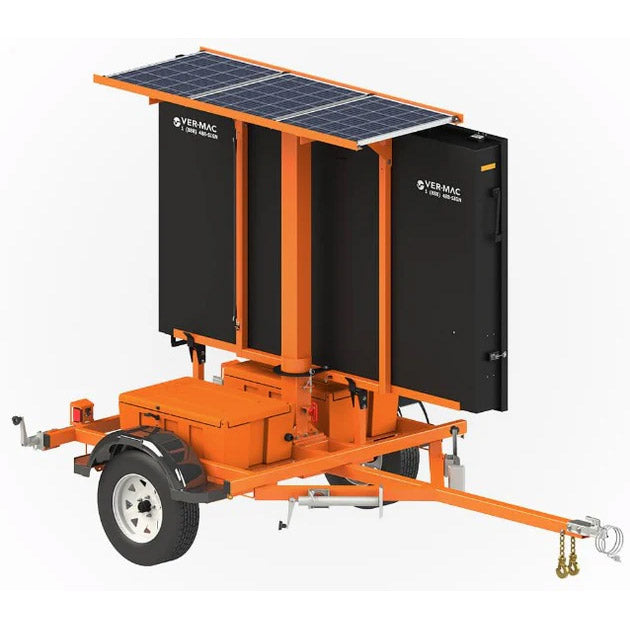

When you think of traffic signage, you might imagine static speed limit signs or construction signs. But radar speed signs offer something far more powerful: real‑time feedback that helps drivers correct their speed as they approach. These signs detect the speed of oncoming vehicles and display that speed instantly, often flashing or showing a warning when the driver is over the limit. In doing so, they become one of the most effective tools in traffic control today.
Unlike ordinary signs that simply tell drivers what they should do, radar speed signs show drivers what they are doing. This immediate feedback nudges behavior without confrontation. Many studies show that when drivers see their own speed displayed, they slow down. That makes radar speed signs especially valuable in zones where speed management matters most: school areas, highways, work zones, and event routes.
How Radar Speed Signs Work & Why They Matter
A radar speed sign emits radar waves toward the road. When a vehicle approaches, those waves bounce back, and the sign’s system calculates the vehicle’s speed using the Doppler effect. Then the speed appears on a bright LED display. If the speed is above a set threshold, the sign may flash, change color, or show a warning message like “Slow Down.”
This instant display gives drivers an honest mirror. Many don’t realize how fast they’re going until they see it on screen. That awareness itself encourages safer behavior. Because the sign is dynamic, it adjusts to changing road conditions. In good weather or bad, during day or night, it works. That adaptability makes radar speed signs far more effective than static signs in many real-world traffic control scenarios.
Besides changing driver behavior, radar speed signs serve as a subtle enforcement presence. Even when police are not visible, drivers feel monitored. That psychological effect helps maintain speed compliance.
Lastly, many modern radar speed signs log data—like vehicle counts and speeds over time. Traffic engineers and safety planners use that data to make informed decisions: where to place signs, how often, and whether further measures are needed.
Real‑World Situations Where Radar Speed Signs Shine
Radar speed signs are vital across many traffic control contexts. Below are some key scenarios where they make a real difference:
Construction / Work Zones
When crews work near live lanes, speed becomes a safety risk for both workers and passing drivers. A radar speed sign placed at the entry to a work zone tells drivers to slow before they reach crews or heavy equipment. Because construction zones often shift over time, movable radar signs are perfect—they can relocate as work progresses.
Highways & Transitional Zones
On highways, where vehicles move fast and lanes merge, drivers may misjudge safe speed. Radar speed signs alert them to slow down before reaching merging zones or reduced-speed segments. In zones where speed limits drop sharply (e.g. from 100 km/h to 60 km/h), these signs give drivers a real-time cue.
Schools, Parks & Residential Zones
Children and pedestrians need extra safety. Radar speed signs installed near schools show drivers their speed as they approach crosswalks or playgrounds. Many studies show speed reductions in school zones where radar feedback signs are used.
Events, Concerts & Crowded Spaces
Large events often bring unfamiliar traffic patterns: temporary roads, closures, new paths. Radar speed signs help manage vehicular flow and prevent speeding in zones where people walk or park. Event planners can deploy them temporarily and reposition as needed.
Municipal & Urban Areas
In busy city streets, changing traffic volumes, pedestrian crossings, and mixed uses require flexible signage. Radar speed signs act as interactive traffic signage that adapts to these complex environments. They reinforce existing static speed limits and act as attention grabbers in places where static signs might be overlooked.
Radar Speed Signs vs Traditional Construction Signs
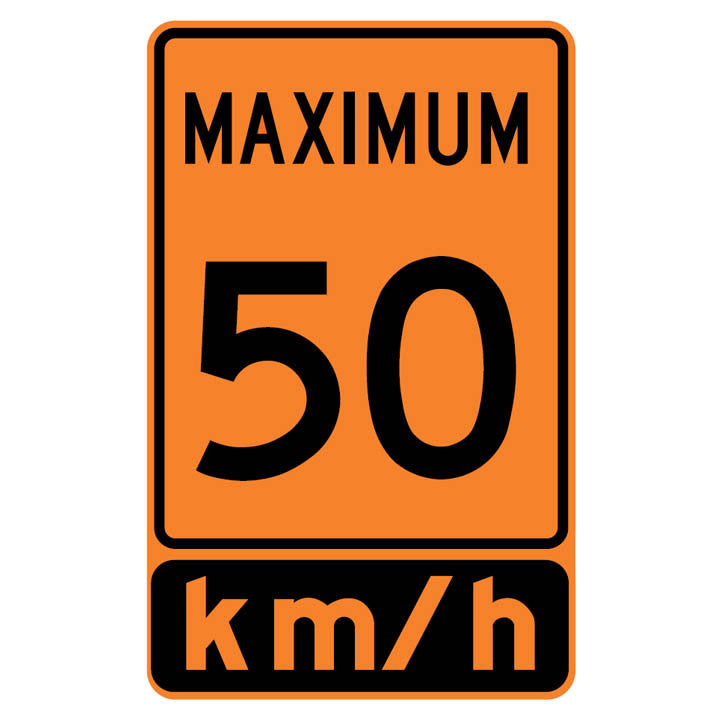
Traditional construction signs and static construction traffic signs do important work—they warn drivers about upcoming road work, lane shifts, or closures. But they can’t display changing conditions or respond to driver behavior. Once drivers pass them, there’s no feedback loop.
Radar speed signs complement these signs by adding a layer of interactive safety. They tie into traffic control strategies: you use static construction signs to set expectations and radar signs to enforce respectful behavior. In many projects, both are essential. The static signs tell drivers where to go; the radar signs guide how fast.
Because radar speed signs can be moved, programmed, and triggered conditionally, they offer far more flexibility than static signage. In rapidly changing sites or temporary lanes, static signs alone often fall short.

Why Radar Speed Signs Are a Must in Modern Traffic Control
Radar speed signs do more than warn—they engage. When a driver sees “85 km/h” flashing ahead of them, their attention spikes. Many slow. That influence is direct, measurable, and immediate. Whereas static signs rely on memory and compliance, radar speed signs tap into the driver’s real-time behavior.
These signs also reduce the need for constant police presence. In areas with frequent speeding complaints, deploying radar signs provides an automated, non-confrontational traffic calm measure. Studies consistently show meaningful reductions in speeding where these signs are active.
Because they log data, you gain insights: peak traffic hours, speed trends, eventual problem spots. That intelligence turns radar speed signs into part of a proactive traffic management strategy.
In short, radar speed signs elevate your traffic signage to an interactive, measurable, and adaptable tool. They belong alongside construction traffic signs and static construction signage in any modern traffic control plan.
Get Started with BTS Today
From concerts and parades to construction sites and markets, strong barriers keep people safe and traffic flowing smoothly. BTS makes it easy to find the right solutions for any job. Contact us today to talk about our metal crowd control fencing and flexible rental options. Let’s make your next event or project safe, effective, and successful with the best traffic control services you can trust.

THE DIFFERENCE IS SERVICE
We proudly provide the highest level of service to our customers

100% canadian-owned
Ontario's largest Canadian-owned traffic control company.