How Radar Speed Signs Reduce Accidents by 30% or More
Speed remains a leading factor in traffic accidents worldwide. When drivers exceed posted limits, they have less time to react — making collisions more likely and often more serious. That’s why controlling speed is at the core of road safety. Over the years, one tool has proven especially effective at slowing traffic: Radar Speed Signs. These seemingly simple signs do more than show a number — they change driver behavior, lower collision risk, and significantly improve safety, especially when paired with proper Traffic Signage, Construction Signs, or Road Construction Traffic Signs in work zones.
Research and real-world data show that radar speed signs can reduce average vehicle speeds, lower the number of speeding drivers, and — over time — cut accidents substantially. In many locales where radar signs have been deployed, crash and injury rates dropped by up to 30% or more. These signs deliver immediate feedback to drivers, triggering awareness and encouraging safer driving habits.
Why Lower Speed Saves Lives

Speed has a dramatic effect on both the likelihood of a crash and its severity. A vehicle traveling faster needs more distance to stop, and any collision at higher speeds carries greater force — meaning more damage, more injuries, or worse. By lowering speed, radar signs give drivers more time to react, reduce stopping distances, and reduce the force in potential impacts.
Moreover, even a modest drop in average speed can lead to substantial safety gains. Studies show that when radar speed signs reduce mean speeds by even 3–6 mph (about 5–10 km/h), the number of collisions — especially fatal or serious ones — falls significantly. When radar signs prevent drivers from exceeding the speed limit by large margins, the benefit is even greater.
For example, a study of speed-feedback signs in residential or work-zone roads found that when vehicles slowed by 4–5 mph on average, there was a substantial reduction in speeding vehicles and a drop in risky driving behaviour.
That reduction in speed and speeding vehicles often translates into fewer accidents — not just minor collisions, but serious injury-causing crashes. This is why many city planners, work-zone managers, and traffic safety advocates view radar speed signs as an essential part of a modern traffic safety strategy.
How Radar Speed Signs Influence Driver Behavior

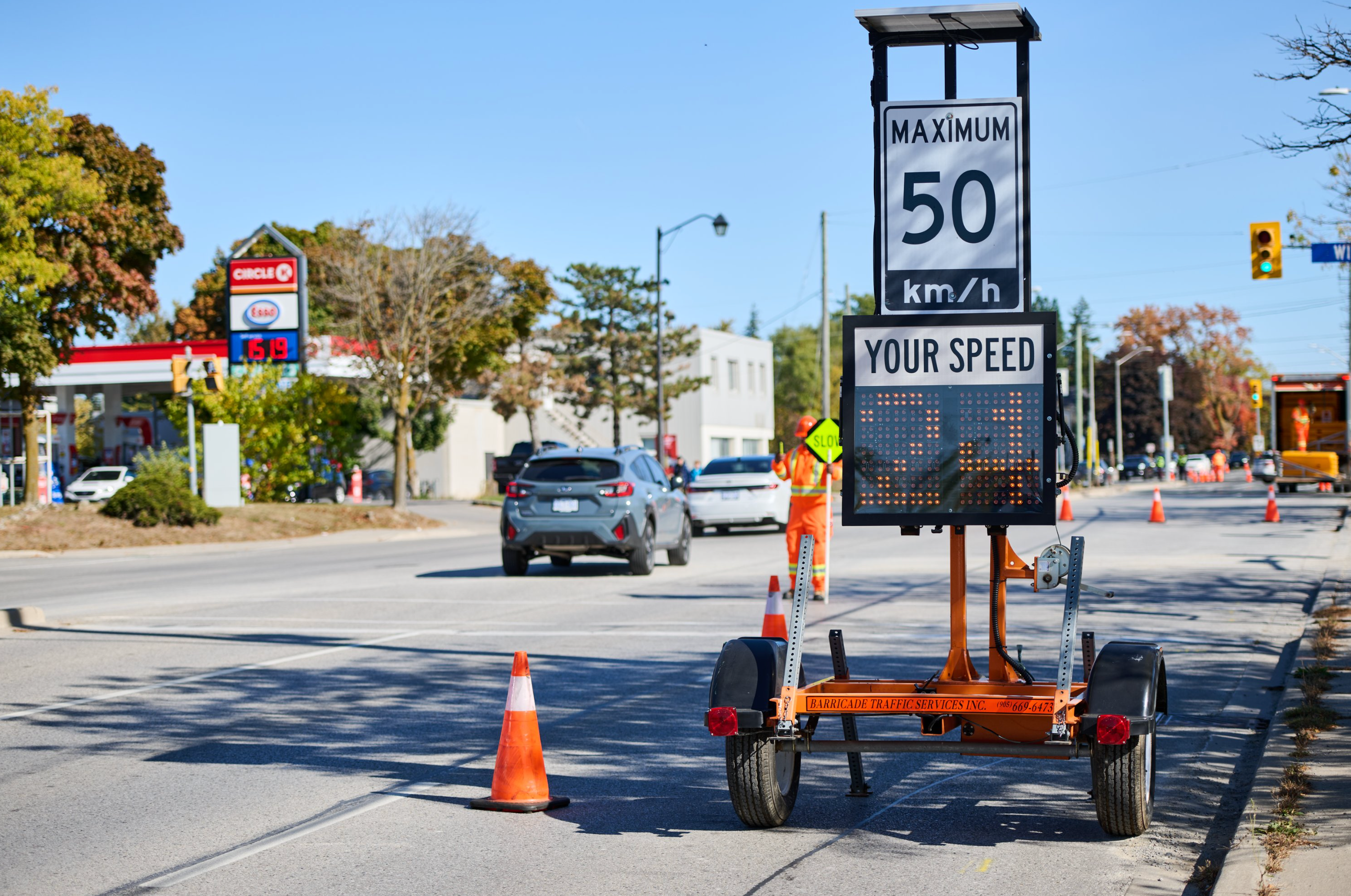
Radars signs work differently than traditional static signs. A speed limit sign simply states a rule — but a Radar Speed Sign shows your actual speed in real time. That personalized feedback has a psychological effect. When a driver sees “You are going 48 km/h” when the posted limit is 40, it forces a moment of self-awareness. This immediate, real-time feedback often triggers instant compliance: the driver slows. In many places, that response happens 60 – 80% of the time among speeders.
The benefit is greatest where drivers might otherwise ignore static signs — residential streets, school zones, work zones, or roads they drive frequently and no longer pay much attention to. Because radar speed signs provide live feedback, they re-engage driver attention. In work zones, where lane shifts or construction hazards appear unexpectedly, radar signs give a reliable cue to slow down and be alert.
In addition, radar signs are often more effective over the long term than spot enforcement. While police presence and speed cameras can deter speeding temporarily, they are resource-intensive and not always present. Radar speed signs, once installed, give continuous feedback day and night. Over years, drivers in areas with these signs show sustained reduction in speeding behavior. For instance, a long-term evaluation at multiple sites showed a persistent drop in the number of vehicles exceeding speed limits after prolonged radar sign deployment.
Evidence: Speed Reductions and Accident Declines

Multiple studies support the effectiveness of radar speed signs (also called speed-feedback signs or speed trailers) in reducing speed and crashes. In one referenced evaluation, installing a speed-display sign in a traffic zone reduced the number of vehicles travelling more than 10 mph over the limit by nearly 31.8%, when combined with intermittent enforcement.
In work zones and construction zones, speed feedback signs lowered mean speed by 4–5 mph and significantly reduced the proportion of speeding vehicles.
Other data show long-term compliance: at some locations, over two years of radar sign operation maintained reduced average speed and consistently fewer speeding drivers.
Furthermore, reducing speed has dramatic effects on pedestrian safety. When vehicles move slower, they have more time to stop or swerve, lowering both the chances of collision and the severity of injuries if a collision occurs. Experts note that even a small drop in speed significantly reduces fatality rates when pedestrians are involved.
Because of these outcomes, many municipalities and construction planners now include radar speed signs as standard parts of their safety and traffic management plans.
How Radar Speed Signs Fit Into Broader Traffic Control and Construction Traffic Signs Strategy

Radar speed signs are most effective when they complement other traffic control measures. On construction sites or roadwork zones, a good safety plan combines Construction Signs and Road Construction Traffic Signs (warning signs, lane-closure signs, detour signs) with a radar speed display. The static signs warn drivers of upcoming conditions; the radar sign provides real-time feedback on their own speed.
This layered approach increases compliance. Drivers see the warning sign, anticipate changes ahead, and the radar sign reinforces safe driving by showing their speed. The combination reduces sudden braking, confusion, or aggressive driving through work zones.
Additionally, radar signs help traffic control teams monitor speed behavior over time. Many units log data — number of vehicles, speeds, peak hours — helping planners decide when to add further measures (temporary enforcement, lane closures, adjustable speed limits) or modify site layout for better safety.
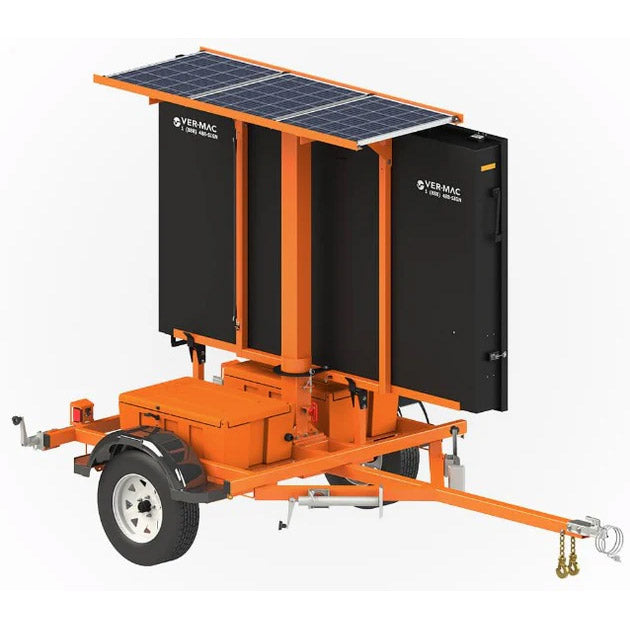
Because radar speed signs are portable and can be rented or moved between sites, Traffic Control Companies find them especially useful for short-term work zones, temporary events, or variable projects. This flexibility allows safer, customized solutions without permanent installation.
Addressing Limitations and Ensuring Effectiveness

Radar speed signs are powerful — but they are not magic. Their effectiveness depends on correct placement, visibility, driver awareness, and context. If signs are poorly positioned — too close to bad curves, hidden behind trees, or placed where speed rarely exceeds safe limits — their impact can drop.
Also, some long-term studies show that once drivers adapt to the signs and no longer view them as “new,” their effect may fade somewhat.
To maximize benefit, traffic planners should rotate sign locations, combine radar signs with other Traffic Signage and Construction Traffic Signs, and — when necessary — pair them with intermittent enforcement or engineering changes (speed bumps, narrowed lanes, better lighting).
Finally, community awareness matters. Drivers must understand the purpose of radar signs — that they’re not a gimmick, but a safety tool. Educating the public can help maintain consistent compliance and long-term effectiveness.
Radar Speed Signs — A Smart Step Toward Safer Roads

Reducing speed remains one of the most effective ways to lower traffic accidents and save lives. Radar Speed Signs offer real-time, personalized feedback that motivates drivers to slow down. When used properly and combined with good traffic control planning and signage, these devices can cut speeding, reduce crash rates significantly, and improve safety for drivers and pedestrians alike.
If you manage roadworks, school zones, work zones, or urban traffic, radar speed signs should be part of your toolkit. For effective, reliable deployment and guidance — with well-maintained equipment and professional planning — consider trusted providers who understand modern traffic control needs. Safety begins with thoughtful traffic management — and radar speed signs are a powerful part of that effort.