Traffic Safety Cones & Traffic Signal Signals
Traffic safety is very important in Ontario. Roads stay busy all year. Construction projects, repairs, and public events happen in every season. Because of this, clear Traffic Control is needed to protect workers, drivers, and pedestrians. Two of the most important tools in any work zone are traffic safety cones and traffic signal signal systems. These tools guide vehicles, show hazards, and create safe paths around work areas. When used the right way, they reduce confusion and prevent accidents.
What Are Traffic Safety Cones?

A traffic safety cone is a bright orange marker placed on roads or work areas. It helps direct vehicles and warn people about danger. Traffic cones are one of the most common tools used by Traffic Control Companies in Ontario. They are easy to move, quick to install, and very visible during the day.
Traffic cones serve several safety purposes. They show lane closures. They guide drivers through detours. They separate moving traffic from workers. They also mark short-term work areas and temporary hazards. Ontario’s traffic standards explain that cones are used to delineate diversions, closed lanes, and channelizing tapers. They guide drivers safely through a work zone and alert road users to hazards.
Because cones are lightweight, they work best for short-duration jobs or mobile operations. In high-speed or long-term work zones, other channelizing devices such as barrels or larger markers may be required instead.
Why Traffic Safety Cones Matter in Traffic Control
Every safe worksite starts with clear direction. Drivers must understand where to go before they reach the work area. Traffic safety cones create that direction. They form visual lines that guide traffic smoothly around workers and equipment.
Cones also protect workers. They create a buffer between people and moving vehicles. Even a small visual barrier can slow drivers down and increase awareness. This is why cones remain one of the most trusted tools used in Traffic Control across Ontario.
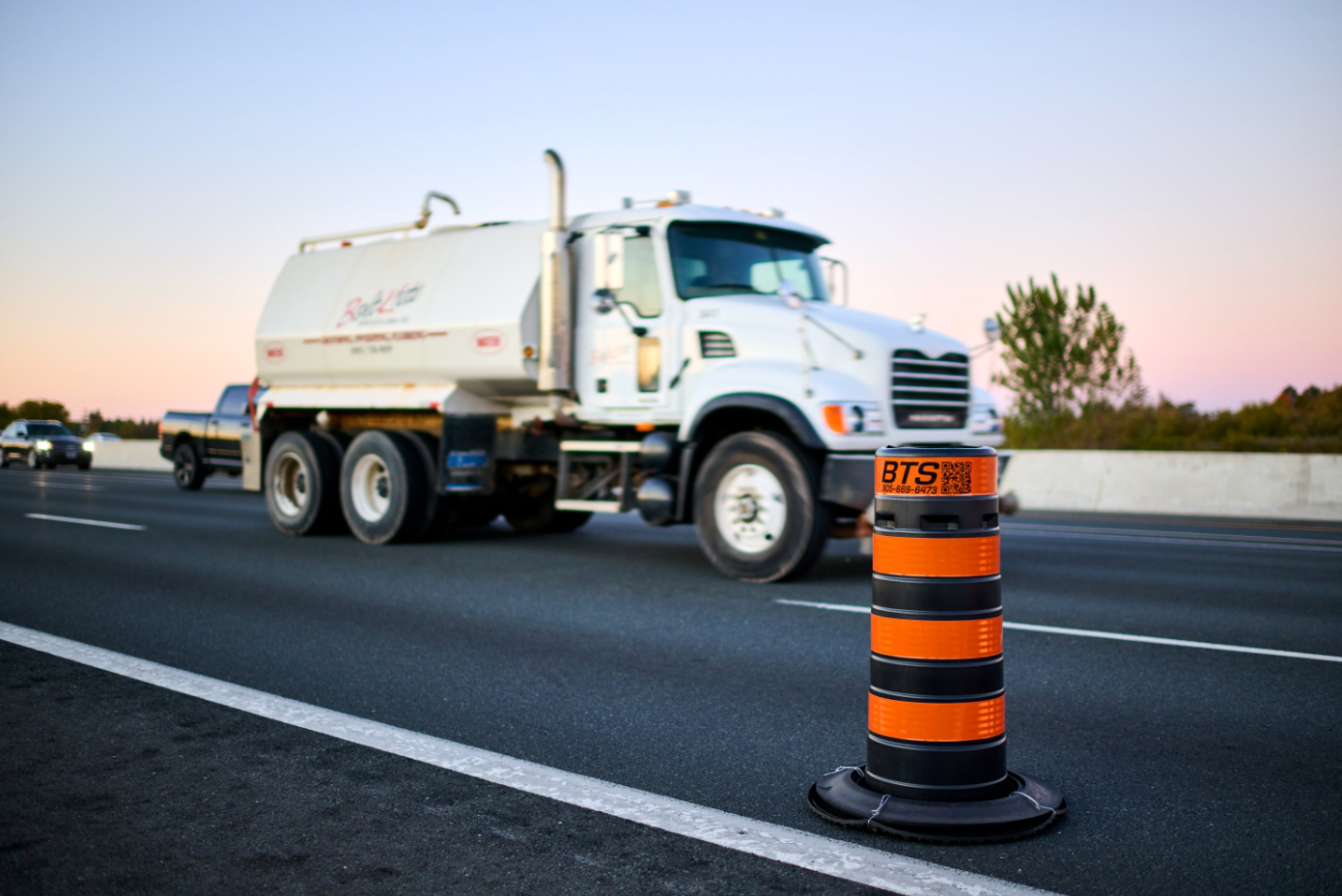
Visibility is critical. Bright orange colour stands out during the day. Reflective collars improve visibility at night or in bad weather. Reflective material sends light from headlights back toward the driver. This makes cones easier to see from a distance and gives drivers more time to react.
Ontario weather makes this even more important. Snow, fog, rain, and long winter nights reduce visibility. Reflective cones help maintain safety in these harsh conditions.
Understanding Traffic Signal Signal Systems in Work Zones

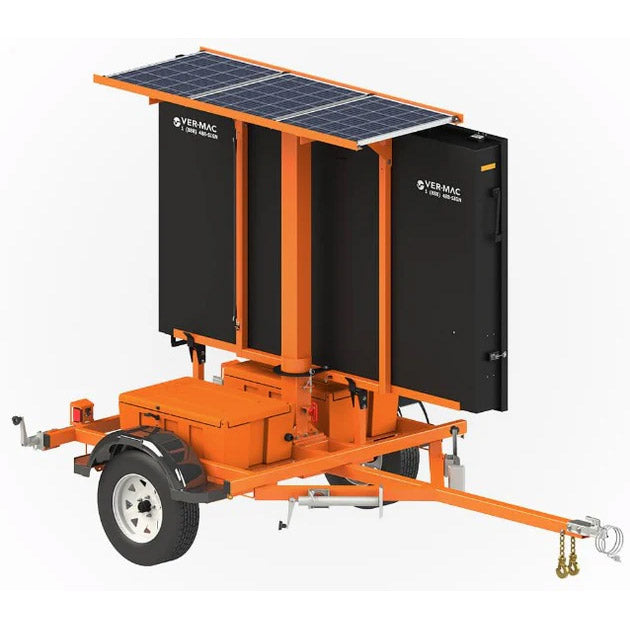
While cones guide traffic physically, traffic signal signal systems control traffic movement. These signals include temporary traffic lights, portable signal heads, and manual flagging signals. They tell drivers when to stop, slow down, or proceed.
In many Ontario work zones, trained flag persons manage traffic flow. A flagger uses hand signals, signage, and communication with other workers to control vehicles safely. Their role is to protect both the public and the crew working on site.
Traffic signals and flagging systems become essential when traffic must move in one direction at a time. This often happens during lane reductions, bridge repairs, or utility work. Without clear signals, drivers may guess what to do. That confusion can lead to collisions or injuries.
Best Practices for Using Traffic Safety Cones in Ontario
Safe cone placement follows clear rules. Drivers must see cones early enough to react. Cones should remain visible in all lighting and weather conditions. Reflective collars improve nighttime visibility, while proper spacing ensures smooth traffic flow.
Wind and fast vehicles can knock cones over. Weighted bases or nearby barrels help keep them stable. Secure placement maintains clear guidance for drivers and keeps the work zone safe.
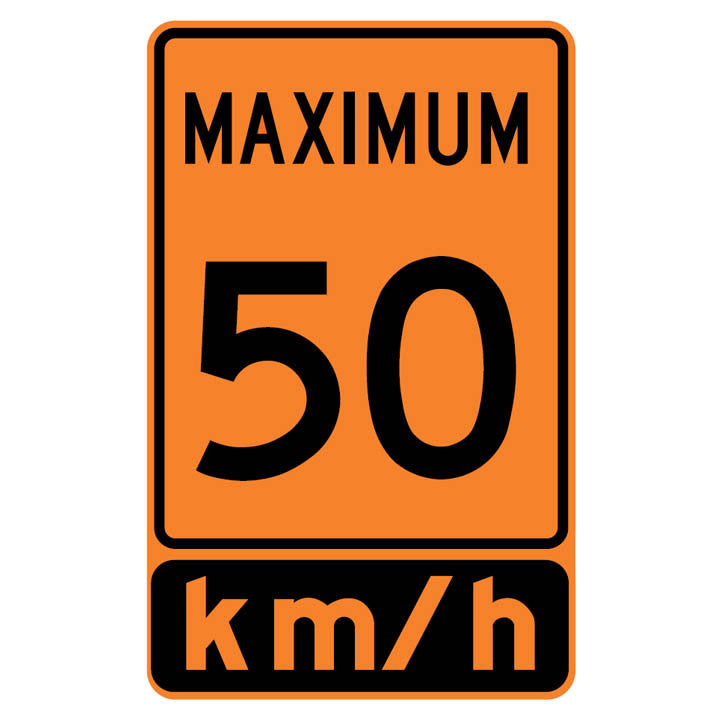
Ontario regulations also require cones and construction traffic signs to meet Ministry of Transportation standards for durability, placement, and reflectivity.
Best Practices for Traffic Signal Signal Safety
Traffic signal signal systems must remain clear and easy to understand. Drivers should never guess what a signal means. Consistent colours, proper timing, and trained flaggers ensure safe movement through the worksite.
Work zones exist wherever workers operate near moving traffic. These zones may be fixed, such as construction sites, or mobile, such as road maintenance or utility service. Many different workers rely on proper traffic signals to stay safe every day.
Because of this, combining signals with cones, barrels, and signage creates the safest environment. Each device supports the others. Together they form a complete Traffic Control system.
Renting Traffic Safety Cones and Traffic Control Equipment in Ontario

Many contractors choose to rent traffic cone equipment instead of buying it. Rental solutions reduce storage needs and ensure equipment meets current safety standards. Professional Traffic Control Companies also provide setup guidance, compliant devices, and trained staff.
This support helps construction crews, event organizers, and municipalities maintain safe worksites without confusion. Proper equipment and expert planning reduce risk and improve traffic flow across Ontario roads.
Creating Safer Worksites with Professional Traffic Control
Traffic safety cones and traffic signal signal systems are simple tools with powerful impact. They guide drivers, protect workers, and prevent accidents. When used correctly, they create clear and predictable movement through any work zone.
In Ontario, safety standards are strict for a reason. Busy roads, changing weather, and year-round construction demand strong Traffic Control planning. By following best practices and using high-quality equipment, worksites remain safe for everyone.
Barricade Traffic Services provides trusted solutions for cones, signals, and full traffic control support across Ontario. With the right planning and equipment, every project can maintain safe, efficient, and fully compliant traffic management.