How to Adapt Traffic Control as Construction Moves
Construction projects rarely stay the same from start to finish. A road may begin with shoulder work, move into lane closures, then shift traffic to one side of the roadway while crews work on the other. As construction moves, the traffic pattern often needs to move with it.
This is where flexible traffic control becomes important.
A traffic control setup that works during the first phase of a project may not be appropriate for the next phase. Signs may need to move. Barricades may need to be relocated. Traffic lanes may change. Pedestrian routes may need to be adjusted. Access points may open or close.
Adapting traffic control throughout a project helps keep drivers, pedestrians, workers, and equipment moving through the site in a more organized way.
Why Traffic Control Needs to Change During Construction
A construction site is constantly changing.
During the early stages of a project, crews may only need to close a shoulder or restrict access to a small work area. As the project progresses, excavation, paving, utility work, concrete work, or road reconstruction may require a much larger portion of the roadway.
This can change the way traffic needs to move.
For example, a project may begin with:
-
A shoulder closure
-
A small work area
-
Temporary signs
-
Traffic cones or drums
-
Limited equipment access
Later, the same project may require:
-
A full lane closure
-
A temporary lane shift
-
Concrete barriers
-
Additional warning signs
-
A pedestrian detour
-
Temporary access restrictions
The traffic control plan needs to account for these changes rather than treating the work zone as a fixed setup.
What Is Dynamic Traffic Control?
Dynamic traffic control refers to adjusting traffic control measures as roadway or construction conditions change.
Instead of setting up equipment once and leaving it in place for the entire project, traffic control is reviewed and adjusted as different phases of work begin.
This can involve moving or adding:
-
Barricades
-
Traffic signs
-
Traffic drums
-
Traffic cones
-
Concrete barriers
-
Channelizing devices
-
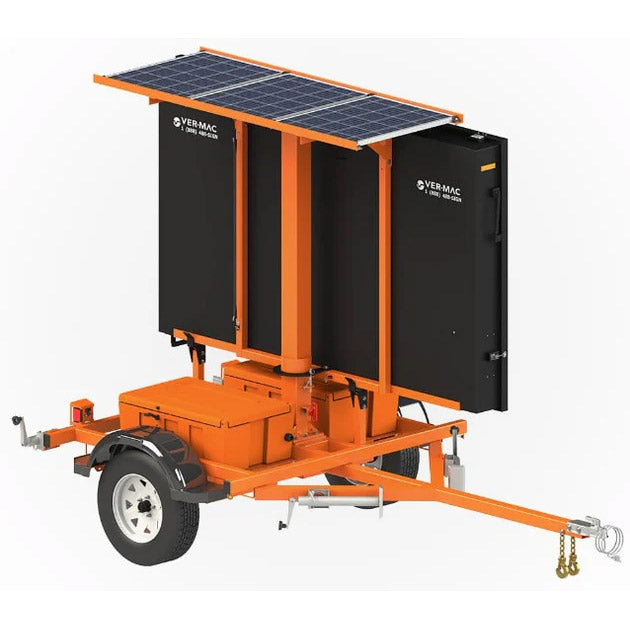
Portable changeable message signs
-
Temporary pedestrian control devices
The exact equipment required will depend on the project.
The goal is to make sure the traffic control setup reflects the current work area and traffic pattern.
Start With the Construction Schedule
One of the easiest ways to create problems with traffic control is to plan the traffic setup separately from the construction schedule.
Traffic control should be connected to the project's construction phases.
Before work begins, project teams should identify when major changes are expected to happen.
For example:
Phase 1: Shoulder construction
Phase 2: Right-lane closure
Phase 3: Traffic shift
Phase 4: Opposite-side construction
Phase 5: Road surface and final work
Each phase can require a different traffic control arrangement.
Planning these changes ahead of time gives contractors and traffic control teams an opportunity to prepare equipment, signage, and access routes before the transition occurs.
When Should Barricades Be Moved?

A barricade should not remain in the same location simply because it was correct during an earlier phase of construction.
When the work area changes, barricades may need to move with it.
For example, imagine a construction project where crews initially occupy the outside lane. Barricades may be positioned to separate the work area from moving traffic.
Once that work is complete, crews may move into another section of the roadway.
Leaving the original barricade arrangement in place could create confusion or restrict traffic unnecessarily.
The new work area should be evaluated before equipment is relocated.
This means considering:
-
Where workers will be operating
-
Where vehicles will travel
-
Where construction equipment will enter
-
Where pedestrians will move
-
Where traffic needs to merge
-
Where drivers need additional warning
-
Whether existing signs still apply
The barricade layout should reflect the current phase of construction.
Don't Move One Device Without Reviewing the Entire Setup
One common mistake is treating traffic control equipment as individual pieces rather than as one system.
Moving a barricade can affect the placement of signs, cones, drums, lane markings, and other devices around it.
For example, moving the beginning of a work zone may also change where drivers first encounter warning signs.
If the barricade moves but the advance warning does not, the distance between the warning and the actual hazard may no longer match the intended setup.
This is why every major traffic control change should be reviewed as a complete arrangement.
A change to one part of the system can affect several other parts.
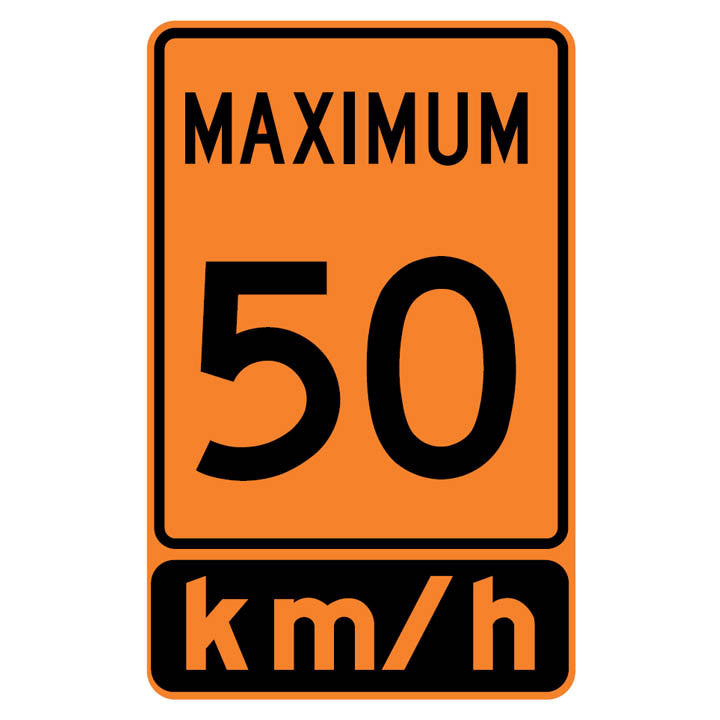
Review Ontario Traffic Signs During Every Construction Phase
Temporary traffic signs provide drivers with information about changing road conditions.
When construction moves, signs may need to move as well.
A sign that was correct during one phase may become unnecessary, misleading, or poorly positioned during another phase.
Before starting a new phase, review the existing signs and determine whether:
-
The sign still applies
-
The sign is visible
-
The sign is positioned correctly
-
Additional signs are required
-
A previous restriction has ended
-
The traffic pattern has changed
-
Drivers now approach the work area from a different direction
This is particularly important on long-term road construction projects where traffic patterns may change several times.
Traffic Control During Lane Shifts
Lane shifts are one of the most significant changes that can occur during road construction.
A lane shift moves traffic away from its normal path and into a temporary travel route.
Drivers need enough information to understand where the new lane begins, where it ends, and how it connects to the rest of the roadway.
Traffic control for a lane shift may involve a combination of:
-
Advance warning signs
-
Pavement markings
-
Traffic cones
-
Traffic drums
-
Barricades
-
Concrete barriers
-
Other channelizing devices
The exact arrangement depends on the roadway and project requirements.
As construction progresses, the lane shift may also need to change.
For example, paving operations may move the active work area several metres down the roadway. The traffic control setup needs to be adjusted so that the work zone, channelization, and warning system continue to match the actual conditions.
Using Barricades to Define Changing Work Areas
Barricades are useful for defining areas where vehicles or pedestrians should not enter.
On a moving construction project, they can help establish the changing boundary of the work area.
For example, a contractor may be working on a sidewalk during one phase and then move into an intersection during another phase.
The barricade arrangement should change accordingly.
Barricades can help make restricted areas more visible and communicate where traffic or pedestrians should stop, turn, or follow an alternate route.
However, barricades should be used as part of a complete traffic control system rather than as a standalone solution.
When Concrete Barriers Are Needed

Some projects require more physical separation than cones, drums, or barricades can provide.
Concrete barriers may be considered when there is a need for a stronger physical boundary between traffic and an active work area.
They can be used in certain applications involving:
-
Long-term lane closures
-
Highway construction
-
Bridge work
-
Major road reconstruction
-
Temporary lane separation
-
Work areas located close to live traffic
As construction moves, the barrier arrangement may also need to change.
Moving concrete barriers is significantly different from moving lightweight traffic control equipment, so these changes should be incorporated into the project schedule.
Keep Pedestrian Routes in the Plan
Traffic control is not only about vehicles.
Construction can also change how pedestrians access sidewalks, crossings, businesses, transit stops, and other destinations.
If a sidewalk is closed during one construction phase, pedestrians may need to use a temporary route.
When construction moves, that temporary route may need to change again.
Every phase should consider:
-
Where pedestrians currently travel
-
Whether sidewalks remain accessible
-
Where crossings are available
-
Whether a temporary route is needed
-
Whether signs clearly direct pedestrians
-
Whether construction equipment conflicts with pedestrian movement
Pedestrian routes should be reviewed whenever the work area changes.
Consider Construction Equipment Access
Construction equipment is another factor that can affect traffic control.
Large trucks, excavators, cranes, paving equipment, and delivery vehicles may need access to areas that were previously separated from traffic.
A work zone may therefore need temporary openings or changes in its layout.
These changes should be planned rather than handled informally.
Before changing a barricade or opening a section of the work zone, the project team should consider how construction vehicles will enter and exit without creating conflicts with moving traffic or pedestrians.
Traffic Management Should Look Beyond the Work Area
Traffic control focuses heavily on what happens directly around the work zone.
Traffic Management takes a broader view.
It considers how construction affects the surrounding transportation network.
A major road closure, lane reduction, or intersection restriction can affect traffic well beyond the immediate construction site.
Traffic Management may need to consider:
-
Detours
-
Adjacent intersections
-
Traffic queues
-
Access to businesses
-
Emergency vehicle access
-
Transit routes
-
Pedestrian movement
-
Traffic volumes
-
Multiple nearby construction projects
This becomes particularly important for large infrastructure projects where several work zones may operate at the same time.
Create a Process for Traffic Control Changes
Instead of deciding how to modify traffic control at the last minute, construction teams can create a process for reviewing changes.
Before each major construction phase, review the upcoming traffic configuration.
Ask:
What is changing?
Identify the new work area, lane configuration, access requirements, and construction hazards.
What traffic control equipment needs to move?
Review barricades, signs, drums, cones, barriers, and other devices.
What needs to be added?
A new traffic pattern may require additional warning signs, channelizing devices, or other equipment.
What needs to be removed?
Old signs or devices that no longer apply should not remain in the work zone.
What happens to pedestrians?
Confirm that pedestrian routes remain clear and understandable.
How will traffic enter and leave the area?
Review lane transitions, access points, intersections, and construction vehicle movements.
When will the change happen?
Coordinate the traffic control change with the construction schedule.
This process can reduce last-minute changes and help keep each construction phase organized.
Inspect the Work Zone After Every Major Change
A traffic control setup can look correct on paper but still create problems once traffic begins using it.
After a major change, the work zone should be reviewed under actual conditions.
Look for issues such as:
-
Signs that are difficult to see
-
Barricades that are out of position
-
Confusing lane transitions
-
Devices that have been moved
-
Poor visibility
-
Pedestrian conflicts
-
Unexpected vehicle access
-
Changes in traffic queues
Conditions can also change because of weather, construction activity, traffic volume, or unexpected site conditions.
Traffic control should therefore be monitored throughout the project rather than treated as a one-time installation.
What Happens When Construction Finishes?
Traffic control changes are also required when construction ends.
The final phase may involve removing temporary devices and restoring the normal roadway configuration.
This can include removing or relocating:
-
Barricades
-
Temporary signs
-
Traffic drums
-
Cones
-
Concrete barriers
-
Temporary markings
-
Other temporary traffic control equipment
The removal process should be planned carefully.
Removing equipment too early can expose workers or road users to unfinished work. Leaving temporary equipment in place after the roadway has reopened can create unnecessary restrictions or confusion.
The final traffic control transition should be treated as another construction phase.
Why Flexible Traffic Control Matters
Construction projects change constantly.
The safest and most effective traffic control setup on day one may not be the right setup several weeks later.
A flexible approach allows contractors to adapt as work moves, roadway conditions change, and new construction phases begin.
This does not mean making random changes to traffic control equipment. It means planning changes in advance and reviewing the complete traffic control setup whenever the project configuration changes.
Barricades, signs, barriers, cones, drums, and other devices all have a role. The key is making sure they continue to support the current traffic pattern.
Traffic Control Solutions for Changing Construction Projects
Managing traffic around an active construction site requires coordination between construction schedules, traffic patterns, equipment, and work-zone conditions.
Barricade Traffic Services provides traffic control equipment and solutions for construction, road work, infrastructure projects, and other applications throughout Ontario.
From barricades and traffic signs to barriers and other traffic control equipment, having the right products available can make it easier to adapt as construction moves from one phase to the next.
If your project has changing work areas, lane closures, traffic shifts, or multiple construction phases, contact Barricade Traffic Services to discuss your traffic control requirements.
A traffic control setup should not be designed only for where the project is today. It should also account for where the project is going next.