Traffic Signal Signal: From Manual Control to Automation
Roads, construction zones, and busy intersections did not always have today’s polished traffic light systems or portable traffic controls. At one time, human flaggers stood on street corners or work zones directing traffic by hand. Over decades, the “traffic signal signal” concept evolved—from wooden paddles and whistles to electric lights, and now to advanced portable automated systems that deliver consistent control. Understanding this evolution shows how much effort has gone into improving road safety and traffic management over time.
Early Days: Hand-Held Signals and Manual Control

In the earliest days of road construction and traffic management, crews relied on human flaggers to guide vehicles. Workers used flags, paddles, or simple hand signals to instruct drivers to stop or proceed. On busy roads or at work zones, this was risky. Flaggers stood exposed to moving cars, and their visibility often depended on the weather, light, and whether drivers could see them in time.
In addition to potential danger to traffic control workers, the command was limited by human reaction time. Drivers sometimes ignored signals, may have misunderstood hand gestures, or failed to see them in poor light or bad weather. As roads became busier and vehicles faster, these manual methods struggled to keep pace with demand for safety and efficiency.
The Rise of Basic Traffic Lights and Permanent Signals

As traffic volume increased in cities and on highways, more formal systems emerged. Governments and municipalities began installing permanent traffic lights at intersections. These early systems used electric bulbs, timer mechanisms or simple control logic to coordinate traffic flow.
Permanent signals offered standard, trusted visual cues — red for stop, green for go, and yellow for caution — that drivers learned to follow. This innovation transformed traffic management by replacing inconsistent human signals with uniform, predictable instructions.
However, these permanent lights had limitations. They couldn’t be easily moved to construction zones, emergency work areas, or temporary detours. For roadwork and changing traffic patterns, crews still needed flexible solutions. That gap set the stage for a new generation of portable traffic control systems.
Temporary Needs: Construction Zones, Road Repairs, and the Demand for Flexibility

When roads need repair, construction zones often require one-lane closures, lane shifts, or temporary detours. In these situations, permanent signals are useless — they stay fixed in intersections, not on work sites. In earlier decades, crews returned to flaggers and manual paddles, but those remained unsafe and inefficient.
As construction traffic increased, so did the need for reliable portable control. Road contractors and municipalities looked for tools that would offer signal-like authority but could be deployed or removed quickly. The goal was to create a system that combined the clarity of traffic lights with the mobility required for changing work zones.
Enter the Portable Traffic Signal Signal

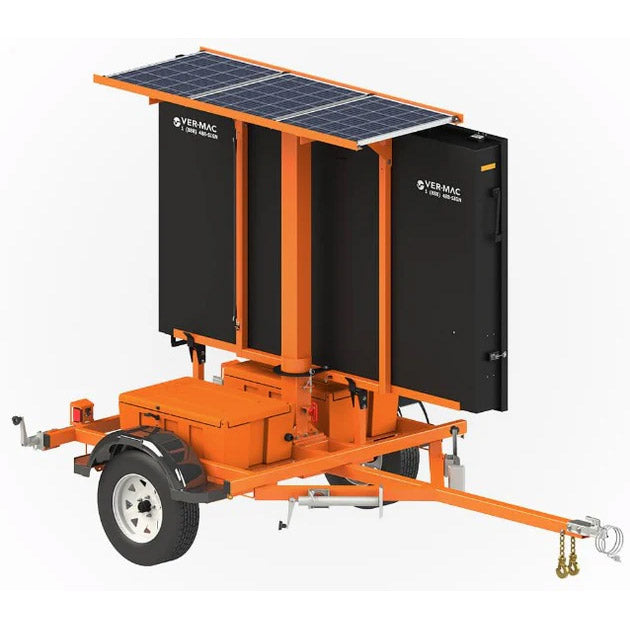
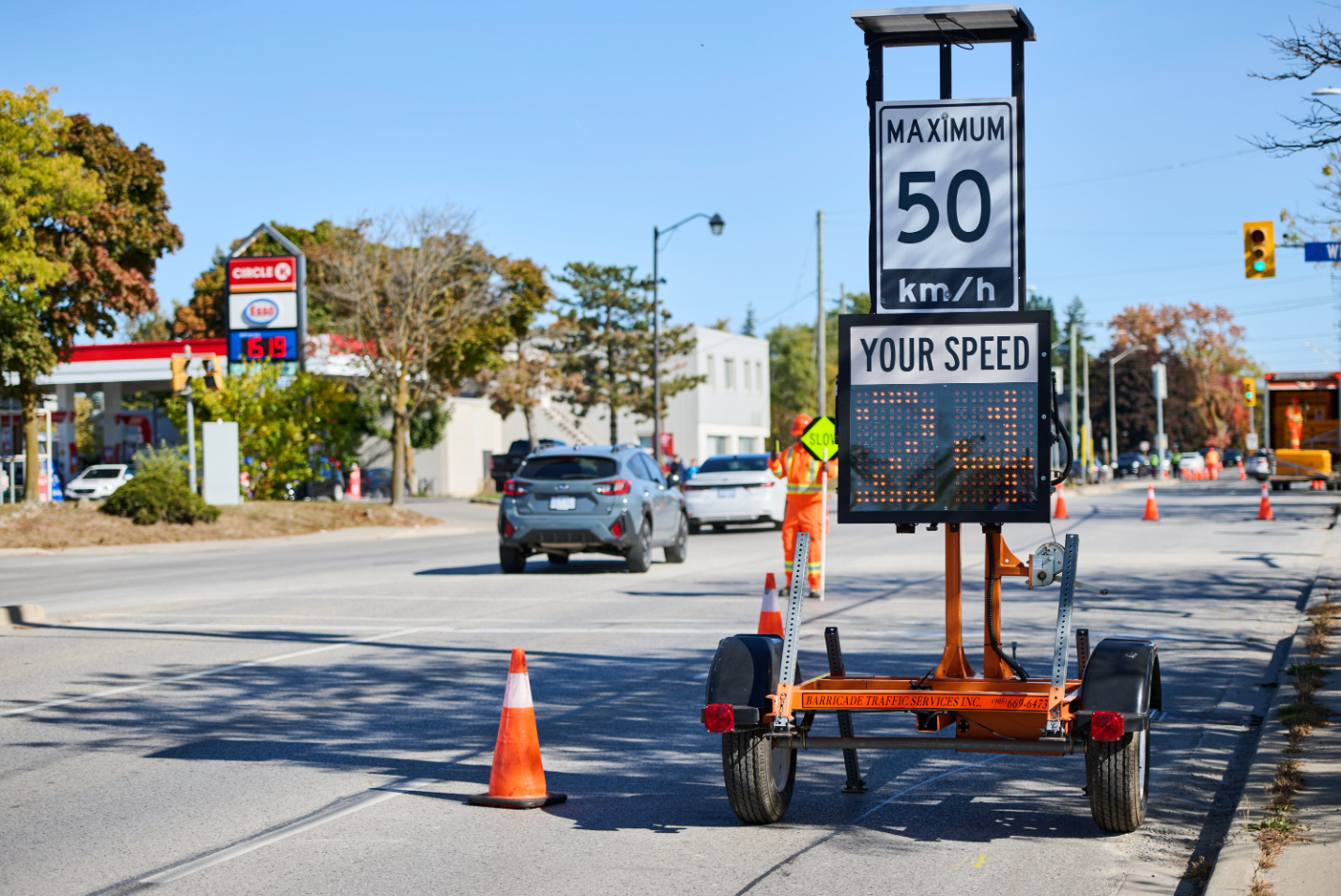
The next step in the evolution came with the development of portable Traffic Signal Signals. These systems mount on trailers or portable stands. They use electric lights and programmable logic — the same “red-amber-green” model familiar to drivers — but they are mobile. Crews can wheel them into position, set up in a lane closure or detour, and power them either via batteries, solar panels, or generators.
These portable signals offer many advantages. They replace the need for permanent infrastructure in temporary situations. They reduce risk to workers because no one has to stand in the road to direct vehicles. And because drivers are accustomed to obeying traffic lights, drivers respond reliably to these portable signals.
At the same time, portable traffic signals integrate well with other roadwork safety measures: Construction Signs, cones, barricades, and warnings about lane shifts or road closures. Together, they form a coordinated traffic control plan that improves safety for both workers and road users.
Advancements: Timing Logic, Sensors, and Adaptive Control

The earliest portable signals operated on fixed timers — for example, thirty seconds of green in one direction, then change to allow traffic in the opposite direction. But as technology progressed, more advanced features appeared. Sensors began to detect oncoming traffic, vehicle queues, or pedestrian presence. Some systems adapted the signal timing dynamically rather than relying on fixed intervals.
These adaptive systems improved both safety and traffic flow. When traffic was light, the signal could minimize wait time. When more vehicles or pedestrians appeared, it could extend clearances. This flexibility brought portable signals even closer to permanent fixed lights — but without the need for digging trenches or installing wires.
Integration with Construction Signage and Traffic Plans

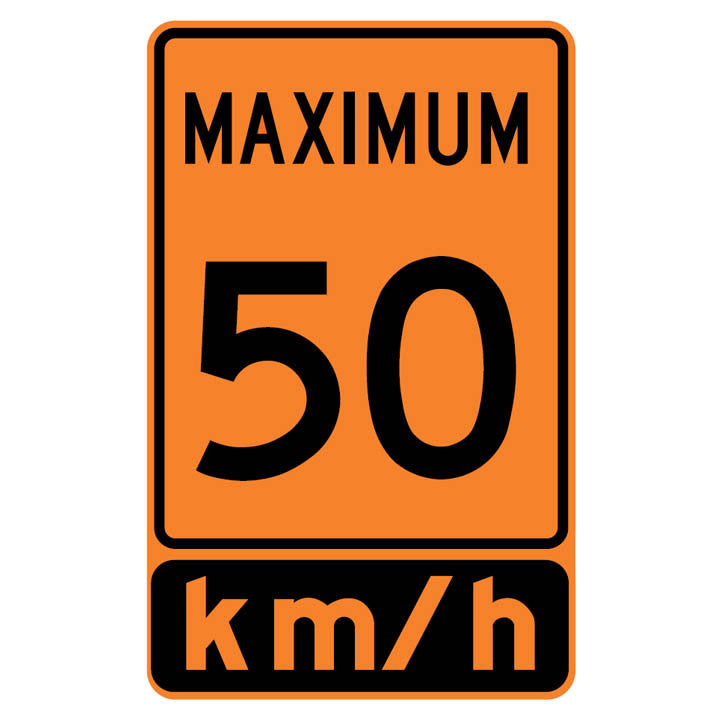
In modern work zones and road infrastructure projects, safety doesn’t rest on a single device. A properly designed traffic signage plan includes multiple elements: warning signs, lane closure signs, cones or barricades, pedestrian notices, and often a portable Traffic Signal Signal to control traffic flow.
For example, when a road lane narrows and crews must direct alternating flows, construction signs alert drivers to the changed layout and reduced speed, while a portable signal ensures orderly movement through the zone. This layered approach reduces confusion and lowers risk — especially for work crews, pedestrians, and road users driving through unfamiliar or shifting routes.
By combining static signs and portable signals, road managers create a cohesive safety environment that adapts as the project evolves.
Why Portable Signals Outperform Manual Control — Safety, Consistency, and Reliability

Portable Traffic Signal Signals address the shortcomings of manual control. They offer visible, universal instructions that are easy for all drivers to understand. Because they rely on electronics, they provide consistent, predictable timing. They remove human error, fatigue, and exposure from the equation.
Rather than depending on a flagger standing by traffic or trying to coordinate gestures in poor visibility, a light-based signal communicates clearly at a distance. It reduces the risk of misunderstanding and improves compliance. In heavy traffic, shifting lanes, or at night, these signals maintain clarity — a major reason why many contractors and municipal agencies now prefer them over manual control.
Long-Term Benefits: Portability, Reuse, and Cost Efficiency

Another key advantage is reusability. Once a project finishes, crews can pack up a portable signal and deploy it elsewhere. There is no need for permanent installation, which saves time and money. Because the signals are often self-powered (battery or solar) they avoid ongoing electrical costs.
Compared with building permanent lights or relying on manual flaggers day after day, portable signals represent a strong long-term investment. Used alongside Construction Traffic Signs and proper planning, they improve safety while reducing recurring labor and infrastructure expenses.
The Role in Modern Road Construction and Everyday Traffic Control

As cities grow and infrastructure projects expand, the demand for flexible temporary traffic control increases. Portable signals fill a critical niche in modern road management. They support everything from small utility repairs to large-scale highway upgrades.
In daily traffic control scenarios — such as lane closures, emergency repairs, utility maintenance, or special events — a portable Traffic Signal Signal ensures that drivers receive clear, authoritative instructions without permanent installation. Because these systems integrate so well with existing traffic signage, they help maintain order even in complex, shifting environments.
Future Trends: Smart Signals, Remote Monitoring, and Data Integration

The evolution does not stop with basic automation. Today, many portable signals include advanced features like remote monitoring, adaptive timing based on real-time traffic volume, data logging for traffic studies, and integration with wider traffic management systems.
In future roadwork or infrastructure projects, portable signal systems may connect to central traffic databases, adapt dynamically to conditions, and provide data on traffic density, speed compliance, and safety incidents. This trend pushes the portable Traffic Signal Signal from a simple traffic tool into a smart, data-driven component of modern transportation planning.
Automation Meets Safety — Why Portable Traffic Signal Signals Matter

The journey from manual flaggers waving paddles to advanced automated portable Traffic Signal Signals shows just how far traffic control has come. By replacing guesswork and human risk with clear, consistent visual commands, these signals reduce danger, improve traffic flow, and protect workers and road users. They integrate seamlessly with Construction Signs, Construction Traffic Signs, and Road Construction Traffic Signs to create organized, safe zones whether on highways, city streets, or work sites.
For safety, clarity, and efficient traffic management on any project — big or small — the right portable Traffic Signal Signal makes all the difference. When you need reliable equipment and expert support, get your portable signals from Barricade Traffic Services. They deliver quality gear, professional service, and peace of mind for any traffic control challenge.