Understanding Different Barricades for Different Scenarios
Whenever public roads, work sites, or large events involve moving vehicles or foot traffic, safety and clarity matter. Proper barricades help guide vehicles, protect pedestrians, and organize traffic flow. But not all barricades are the same. Depending on the situation, different types of barricades — from light plastic barriers to heavy jersey walls — may be needed. Learning how to choose the right type can improve safety, reduce confusion, and make traffic management much more effective.
What Is a Barricade and Why It Matters

A barricade is any physical barrier placed to direct traffic, block access, or separate zones — for vehicles, pedestrians, or both. Barricades exist so drivers and pedestrians know where to go, where not to go, and how to move safely. In many cases, barricades help prevent accidents, reduce congestion, and protect workers or crowds from hazards.
Barricades are a core tool of traffic control. When used properly, they guide drivers through detours, mark construction zones, manage event crowd flow, or secure dangerous areas. For traffic control companies and planners, barricades are among the first items considered whenever a project involves altered traffic paths, restricted zones, or public safety risks.
The Range of Barricade Types — from Light to Heavy

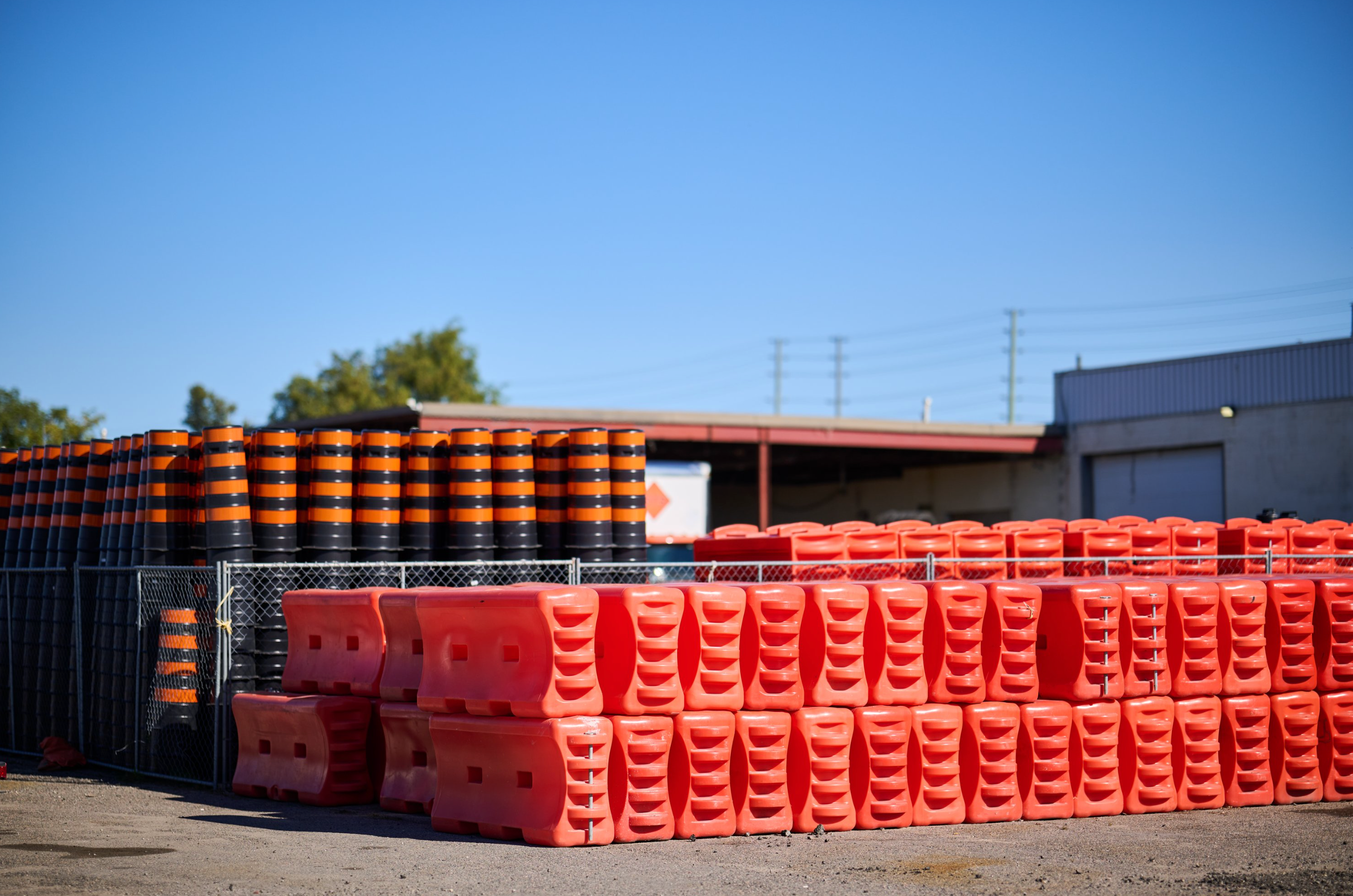
There is a wide variety of barricade options depending on what the job requires. On one end of the spectrum are lightweight barriers — often made of plastic or light materials — used for simple lane closures, parking control, or crowd guidance. On the other end are larger, more fortified barricades like Jersey Barricades or heavy barrier walls, used when impact protection or long-term lane diversion is needed. Between these extremes are medium-duty barricades, pedestrian fences, expandable plastic mesh fences, and water-filled or modular barriers.
Each type has strengths and trade-offs. Lightweight barricades offer portability and quick setup. Heavy barricades provide strength, impact absorption, and stability under harsh conditions. Medium barricades balance portability with durability. The right choice depends on speed of deployment, the type of traffic, duration of need, and safety risks.
When to Use Light Barricades: Short-Term Jobs, Parking, and Crowds

For situations like temporary parking control, parking-lot management, small events, or short road maintenance jobs, light barricades are often sufficient. These may include simple plastic barriers, lightweight fence panels, or flexible traffic cones combined with tape. Since these scenarios usually involve slow traffic or low risk, heavy protection is unnecessary.
Because the barriers are light, they are easy to store, move, and re-use — making them ideal for barricade rent or for organizations that need occasional control. A business owner managing a weekend event, a small festival, or private parking control benefits from flexible barricades because they offer low cost, minimal setup time, and no need for heavy equipment.
Medium-Duty Barricades: Road Work, Detours, and Temporary Lane Closures

When roadwork requires lane shifts, detours, or temporary closures, medium-duty barricades offer a good compromise. They are more durable than plastic fence panels, but lighter and easier to install than full Jersey wall systems. Medium barricades can guide traffic, provide visible separation between construction zones and live traffic, and handle moderate weather or vehicle contact.
For example, if a utility repair blocks one lane of a two-lane street for a day or two, a medium barricade setup may be enough to keep traffic flowing safely while protecting workers. Because they are easier to deploy than heavy barriers, they reduce cost and time for short-term fixes, and often make sense when a full lane closure or physical wall replacement is overkill.
Heavy-Duty Barricades & Jersey Barricades: High-Speed Zones, Highway Work, and Long-Term Projects

For infrastructure projects, highway construction, or long-term lane closures, heavy-duty barricades give the safety and durability required. The classic Jersey Barricade and other robust barrier walls offer impact resistance, stability against weather, and strong visual presence.
Jersey-style walls excel when there is fast-moving traffic, heavy equipment, or long periods of construction. They help prevent vehicles from accidentally entering work zones, protect workers and pedestrians, and provide a reliable boundary that withstands wind, rain, and even collisions.
Because these barricades take more resources to transport and install, they are often used for long-term projects or situations with high safety demands. Their benefit to overall safety far outweighs the logistical cost when reliability and protection matter most.
When Barricade Rent Makes Sense — Flexibility Without Long-Term Commitment

Not all users need to own barricades. Barricade rent provides flexibility. For one-time events, temporary lane closures, or unpredictable work patterns, renting ensures you get the right barricade for the job without the burden of storage, maintenance, or long-term commitment. It’s especially useful for smaller contractors, event organizers, or municipalities facing short-term needs.
Renting also allows access to a wider range of barricade types — lightweight fences, medium barricades, or heavier jersey barriers — depending on the scope and severity of the task. For organizations that rarely have high-risk zones, rent-then-return is often the most practical solution.
Barricades and Traffic Control Planning — Not Just Barriers, but Strategy

Effective barricade use goes beyond placing a wall on the road. Proper traffic control requires a full traffic control plan. That means evaluating road layout, assessing traffic volume, predicting driver behavior, and combining barricades with signage, cones, flaggers, or lights depending on the job.
For example, a highway closure might need Jersey Barricades to separate lanes, construction traffic signs to warn drivers, cones to guide merging, and temporary lighting for night work. A well-designed plan accounts for different types of road users — motorists, cyclists, pedestrians — and sets up a system that guides each group safely.
Traffic control companies often handle this planning, equip the site with barricades and signs, monitor traffic flow, and adapt the layout as work progresses. Their expertise ensures safety and compliance with regulations.
Real-Life Examples: Different Scenarios, Different Barricades

Imagine a weekend street fair in a residential neighborhood. The organizers need to block part of the road, re-route parking, and create a pedestrian-only zone for a few hours. In this case, lightweight barricades, plastic fencing, and some cones will usually suffice. They are easy to install, quick to remove, and pose little impact risk.
Now consider a multi-month road reconstruction project on a busy highway. Traffic flows at higher speeds. Large trucks and heavy equipment move through. Pedestrians may need separate walkways. Here, lightweight options are inadequate. Heavy-duty Jersey Barricades become essential. They provide impact resistance, clear lane separation, and long-term durability.
For a medium-level job — like replacing a water main under a two-lane urban street over a few days — a medium-duty barricade system complemented by construction signs and cones may offer the best balance between cost, practicality, and safety.
The Role of Barricades in Public Safety and Community Confidence

When drivers see well-organized barricades, signs, and traffic control measures, they trust that the job is being managed properly. That confidence helps improve driver compliance and reduces risky behavior. Barricades tell drivers: this area is controlled. This zone is protected.
Communities benefit from reduced accidents, clear detours, and organized traffic flow. Workers feel safer knowing they are separated from moving vehicles. Businesses near work zones maintain clearer access and fewer disruptions.
Choosing the right barricade for the right situation matters. Whether you need a light, quick-deploy barrier for a short event, a medium-duty barricade for a small project, or a full Jersey Barricade wall for long-term, high-risk road work — understanding the scenarios helps you pick wisely. Barricades are more than physical barriers; they are key tools in traffic control, safety planning, and public trust.
If you need reliable barricade solutions — whether for one-time use or ongoing projects — working with a professional traffic control company that offers a range of barrier options and management expertise is vital. Getting the right barrier, sign plan, and traffic control setup makes all the difference — for safety, clarity, and smooth traffic flow.